

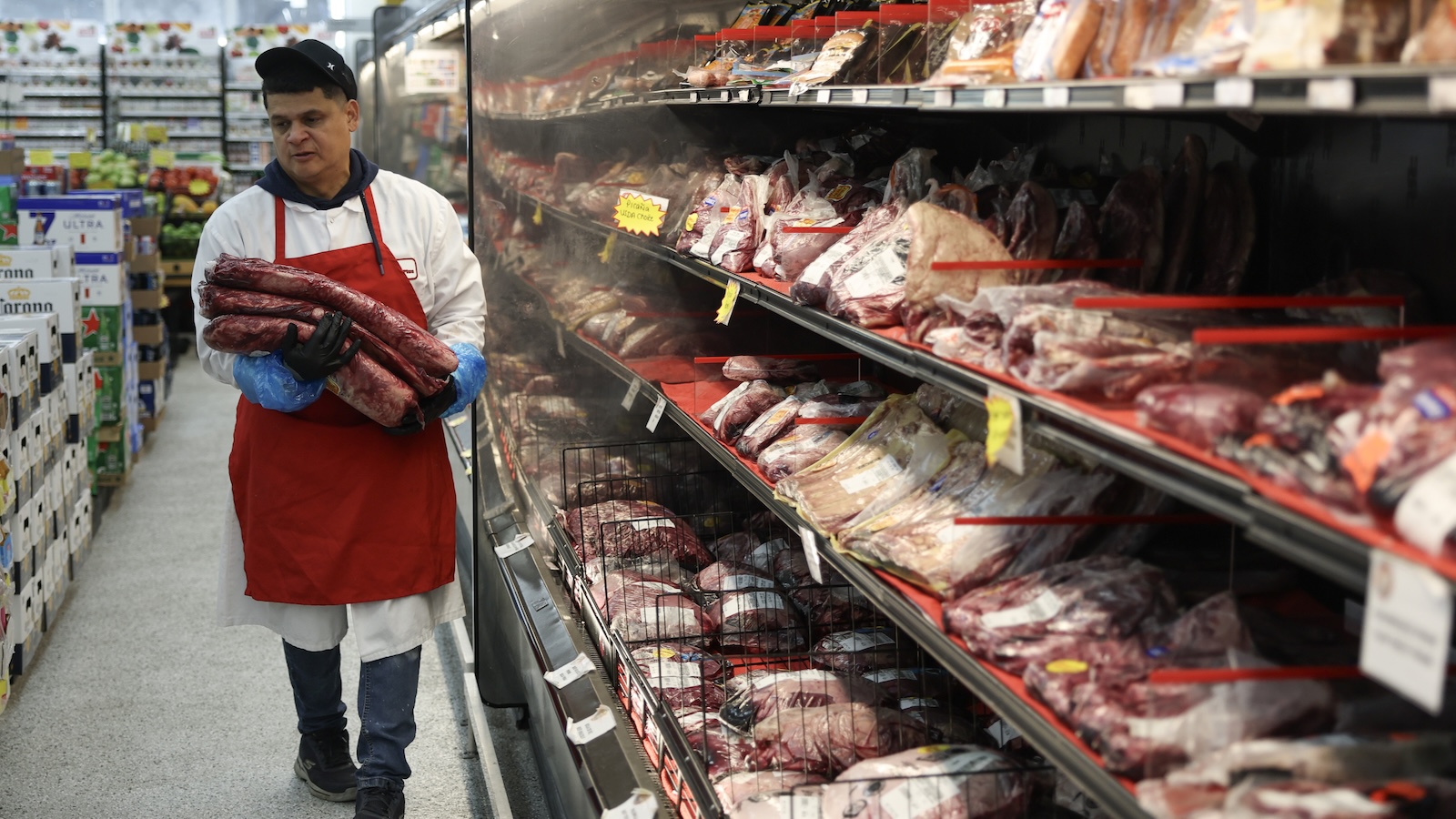
One way of doing that, clearly, is producing and eating less meat. “I think this is an important opportunity for climate action that sometimes gets overlooked,” said Ripple. “Shifting toward more plant-based diets, especially in countries with high meat consumption, could make a meaningful difference.”
Raising cattle for human consumption is also one of the main drivers of deforestation, which contributes to warming by eliminating carbon sinks. Timothy Searchinger, a senior research scholar at Princeton University who studies the relationship between agriculture and the climate, noted that “we can’t solve climate change unless we stop” such clearing of carbon-rich habitats, “and we probably cannot stop that unless the world’s wealthy eat less meat, and particularly less beef.” (Searchinger was not involved in the report.)
He added, “Just eating 1.5 hamburgers a week on average instead of 3 is one of the basic ways Americans can help address climate change.”
The camel’s back has to break at some point though right? The subsidies can’t cover all the cost of production and shipping, and as stores are pulling in less and less of a return on their purchases of animal products, they’ll buy less from the subsidised farms. Subsidised farms eventually reach a point where even the subsidies aren’t making ends meet, so they have to pull production down.