I always assumed it was a bit like SHA hashing. Yes, collisions are theoretically possible. But they’re so unlikely that it can be used as a unique identifier for most purposes.
Columbia Engineering senior Aniv Ray and Ph.D. student Judah Goldfeder, who helped analyze the data, noted that their results are just the beginning. “Just imagine how well this will perform once it’s trained on millions instead of thousands of fingerprints,” said Ray.
Or we’re going to find out fingerprint analysis was junk science, just like hair analysis.
We’ll still use it to convict people though.
Imaging explaining to a jury:
A statistical model says that there is a 99% chance these two finger prints belong to the same person. We don’t know how this model works and it was not programmed by a human. We will be taking no further questions.
deleted by creator
If we rig the jury to all be Silicon Valley investors and CEOs, you just have to say “AI” and you’ll win the case.
Imagine finding a suspect with this method, and not taking their actual finger prints to check if the match is correct.
They do know how it works: it detected a pattern in the difference between fingers and checks that.
Also this would usually not be needed explained to a jury. If they have the suspect in custody they can just check their fingerprints directly.
That’s again 2 fingerprints to compare: one from the crime scene, and one from the suspect.
Yeah but comparing a fingerprint to a finger is a simpler test than comparing a fingerprint to another fingerprint and checking if they may be two fingers from the same person.
deleted by creator
Phrenology, voice stress analysis, lie detectors, etc. - There’s a long list of things that don’t really work being used by law enforcement to help put lot of innocent people in prison.
Fingerprints might not be on the same level of fraudulent bullshit of the above, but they also shouldn’t be the unquestionable end-all be-all of proof either.
They aren’t on the same level of fraudulent bullshit, but they’re close.
Fingerprint matching is done “by eye” and often involves an “expert” saying that one smudge is a 100% match for another smudge.
DNA matching is the only forensic science that’s worth a damn, and only if it’s done correctly.
DNA matching is the only forensic science that’s worth a damn, and only if it’s done correctly.
And even that one is useless in case of identical twins.
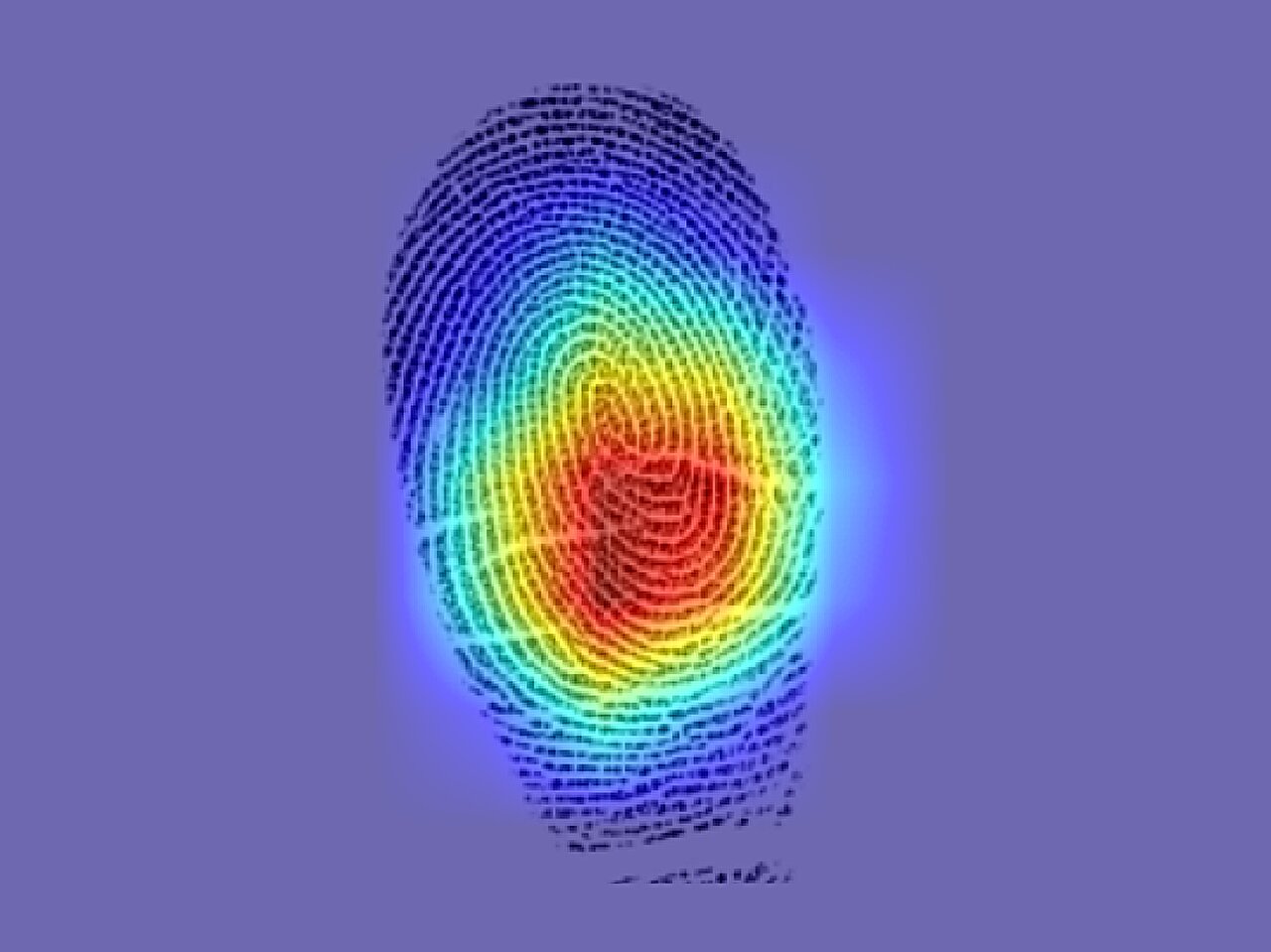
The article is about matching different fingerprints from different fingers of the same person (something we apparently thought wasn’t possible) rather than finding different people who share fingerprints. AI can do it with 77% accuracy which they say isn’t enough to convict someone by itself but could help with narrowing leads.
I kinda assumed this was the case, and some higher ups likely know this too. I know in Ontario, when you get fingerprinted by the police, it’s not just your fingers, they’ll take your whole palm print. Billions of people in the world, very unlikely anyone is 100% unique.
That wasn’t really their finding though. They found that the AI could recognize when different fingerprints came from different fingers of the same person.
I think we all just look alike to our computer overlords.
Yeah, “discovers”… what we’ve known for a long time. But buzzword in the title = clicks (& thus money from ads on the page) so there’s that.
They have a specific result though, which is that fingerprints from different fingers of the same person tend to be recognizable as coming from the same person, just from their characteristics. Was that also known for a long time?