Beehaw
  • Communities
  • Create Post
  • search
    Search
  • Login
  • Sign Up
ZeroCool ( ZeroCool@beehaw.org )  to Science · 3 years ago

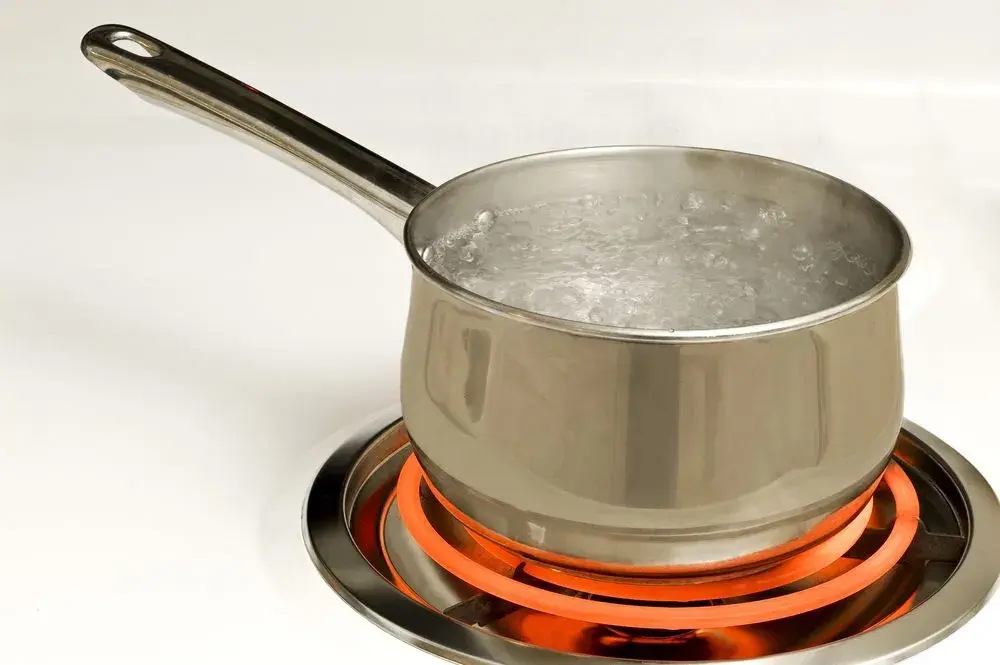
Boiling tap water can remove 90 percent of microplastics

www.livescience.com

external-link
message-square
48
link
fedilink
147
external-link

Boiling tap water can remove 90 percent of microplastics

www.livescience.com

ZeroCool ( ZeroCool@beehaw.org )  to Science · 3 years ago
message-square
48
link
fedilink
Tiny plastic particles float inside tap water, and it's still unclear how they impact our health. But boiling the water for 5 minutes could remove most of them, a new study finds. most of them
  • gregorum ( gregorum@lemm.ee ) 
    link
    fedilink
    English
    arrow-up
    78
    ·
    3 years ago

    So, the boiling doesn’t remove it at all; it pre-treats hard water, making it capable of being filtered out afterwards.

    • melroy ( melroy@kbin.melroy.org ) 
      link
      fedilink
      arrow-up
      37
      ·
      3 years ago

      uh… it seems like it… if that is the case, the whole article is misleading at best.

      • averyminya ( averyminya@beehaw.org ) deleted by creator
        link
        fedilink
        arrow-up
        9
        ·
        edit-2
        2 years ago

        deleted by creator

        • But Class War [Illinois] ( But_Class_War@midwest.social ) 
          link
          fedilink
          English
          arrow-up
          5
          ·
          3 years ago

          gotta make the water hard too, doesn’t work without hard water

          • Anti-Antidote ( anti_antidote@lemmy.zip ) 
            link
            fedilink
            arrow-up
            3
            ·
            3 years ago

            But I can’t even make myself hard 😭

            • melroy ( melroy@kbin.melroy.org ) 
              link
              fedilink
              arrow-up
              2
              ·
              3 years ago

              too soon.

          • Zworf ( Zworf@beehaw.org ) 
            link
            fedilink
            arrow-up
            2
            ·
            3 years ago

            Many regions won’t need that of course :)

    • stevedidwhat_infosec ( stevedidwhat_infosec@infosec.pub ) 
      link
      fedilink
      arrow-up
      2
      ·
      3 years ago

      Traps it how - guessing as a gas? What the fuck are microplastics and how does clear water trap that? I’m lost as fuck

      • Robin.Net (she/her) ( Robin_net@beehaw.org ) 
        link
        fedilink
        arrow-up
        12
        ·
        3 years ago

        “calcium carbonate in the (hard) water became solid at higher temperatures, trapping the plastic particles within”

        No gas involved. They did recommend straining the boiled water through a coffee filter and the harder the water the better.

        • I_am_10_squirrels ( I_am_10_squirrels@beehaw.org ) 
          link
          fedilink
          arrow-up
          3
          ·
          3 years ago

          If I have soft water, can I add a Tums to my boiling water?

          • intensely_human ( intensely_human@lemm.ee ) BannedBanned
            link
            fedilink
            arrow-up
            6
            ·
            3 years ago

            Just put it in the freezer for an hour or two

      • gregorum ( gregorum@lemm.ee ) 
        link
        fedilink
        English
        arrow-up
        6
        ·
        3 years ago

        By causing it to be absorbed into the calcium carbonate that is in hard water

      • chaogomu ( chaogomu@kbin.social ) 
        link
        fedilink
        arrow-up
        3
        ·
        3 years ago

        The calcium carbonate in hard water precipitates out when you boil it, i.e. it turns solid.

        Microplastics make for great nucleation points for the calcium carbonate to latch onto. So, the microplastics became super easy to filter out of the water (with some getting stuck to the bottom of the kettle in that white scale that you have to use vinegar to clean out.


      • chaogomu ( chaogomu@kbin.social ) 
        link
        fedilink
        arrow-up
        2
        ·
        3 years ago

        The calcium carbonate in hard water precipitates out when you boil it, i.e. it turns solid.

        Microplastics make for great nucleation points for the calcium carbonate to latch onto. So, the microplastics became super easy to filter out of the water (with some getting stuck to the bottom of the kettle in that white scale that you have to use vinegar to clean out.
Science

science

Subscribe from Remote Instance

Create a post
You are not logged in. However you can subscribe from another Fediverse account, for example Lemmy or Mastodon. To do this, paste the following into the search field of your instance: !science@beehaw.org

Studies, research findings, and interesting tidbits from the ever-expanding scientific world.

Subcommunities on Beehaw:

  • Space

Be sure to also check out these other Fediverse science communities:

  • https://lemmy.ml/c/science
  • https://mander.xyz/c/science

This community’s icon was made by Aaron Schneider, under the CC-BY-NC-SA 4.0 license.

Visibility: Public
globe

This community can be federated to other instances and be posted/commented in by their users.

  • 166 users / day
  • 228 users / week
  • 546 users / month
  • 1.2K users / 6 months
  • 3.27K local subscribers
  • 16.5K subscribers
  • 1.41K Posts
  • 6.26K Comments
  • Modlog
  • mods:
  • Chris Remington ( remington@beehaw.org ) 
  • alyaza [they/she] ( alyaza@beehaw.org ) 
  • Gaywallet (they/it) ( Gaywallet@beehaw.org ) 
  • BE: 0.19.21
  • Modlog
  • Legal
  • Instances
  • Docs
  • Code