
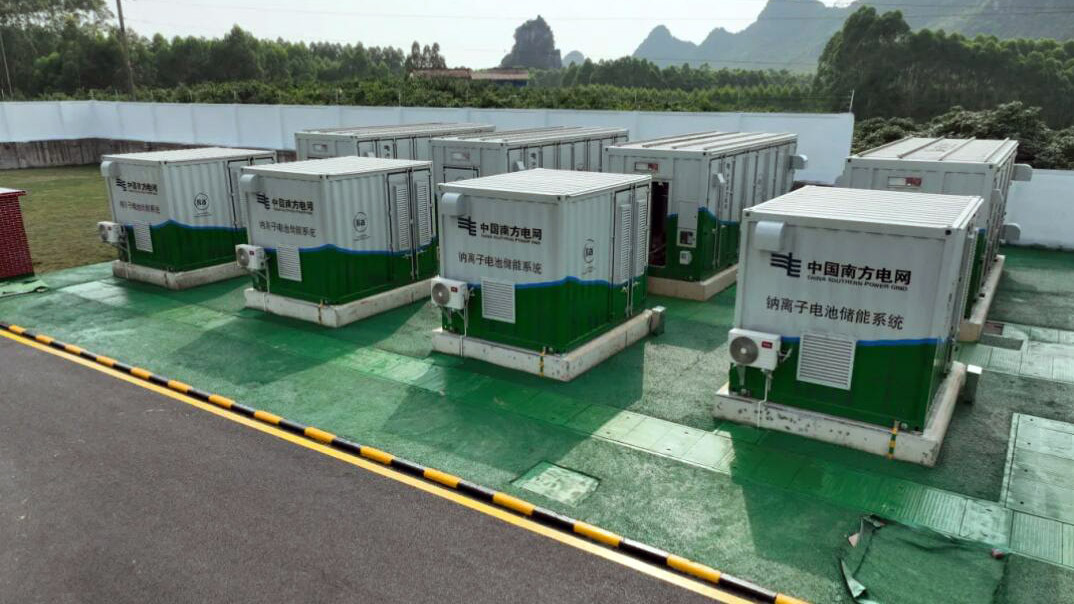
I’m curious what the temperature resiliency is for sodium-ion batteries. I had a power outage recently where I was relying on a lithium-ion battery. As the temperature in the house plunged, it because so inefficient that charging a single phone overnight drained a quarter of the battery.
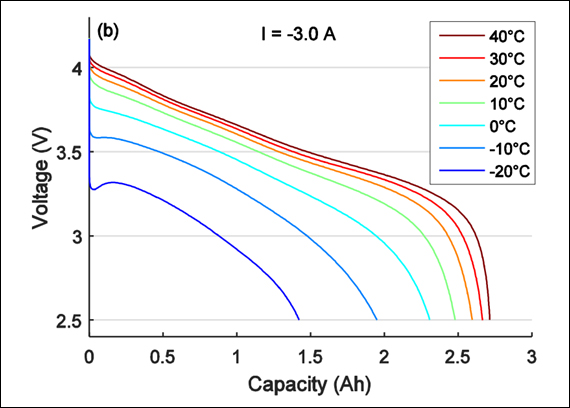
Source: https://batteryuniversity.com/article/bu-502-discharging-at-high-and-low-temperatures
I don’t have any data on sodium-ion.
It was slightly above freezing in the house, so definitely not operating at peak efficiency. From a brief search, it looks like sodium-ion does have a similar temperature sensitivity, though it may be to a different degree.
If I’m not mistaken sodium ion is better with temperature and durability. The biggest problem is energy density, so they can’t compete in any applications where size and weight matter. This leads to their 2nd biggest problem, which is that there’s so much production infrastructure for lithium that no one wants to invest in new assemblies for other battery chemistries
deleted by creator
Battery temp is certainly a problem. Hard to compare between y’all’s stories what the issues are.
If I’m not mistaken, those portable power stations with AC inverters consume power even when not in use. You probably should use the DC output wherever possible.
It has outputs through USB-A, USB-C, AC, and DC-vehicle (whatever it’s called). I think the AC inverter was off, though I had been using it earlier. I was definitely charging fully through the USB-C output. Good point, though.
How many decades do they last before needing replacement?