deleted by creator
A ‘free’ app the trys to shove either a sub or purchase is the same annoyance.
Every single thing is not subscription today
Paying once is fine. Subs are not to be tolerated.
Subs are fine for services. I personally also think they provide a better incentive structure. But they’re often abused
Yeah, server dependent stuff makes sense. Like emails and streaming services that don’t function without the servers run by them.
I think the ideal model is something like 1-time purchase w/ 12 months of updates.
Software does often require ongoing maintenance. So after 12 months, no more updates, and it works as long as it continues to work, without any new features or patches. Updates are an optional fee for like 10-20% of purchase price.
Yeah, no subs. I prefer editions. Like Microsoft Office 2020. And then when Microsoft Office 2026 comes out you can still use 2021 or buy 2026 if you want the newer features.
Yes!
I blame Apple for setting the standard of $1-$3 for an app with lifetime updates. And also for making it so old apps stop working on newer OSes after just a few years. The business model was broken from the start. It was great at first but the bubble burst in record time.
That was nearly unheard of just 20 years ago.
I understand your sentiment, but a lot of that isn’t right.
Early iPhone apps were going for $10-20. So many developers being okay with just data harvesting plus so many devices out there made the $0.99 / free with ads model dominate – people got used to “free” apps from the big guys (Facebook, Google, whoever).
iOS apps are pretty resilient to OS updates. They usually only totally break when huge changes happen (dropping 32-bit support, etc) and those happen once a decade.
Tons of Windows software didn’t survive the 3.1 to 95 transition. A bunch died on 98 to XP, too. In the Apple world, a lot got left behind on the Mac when they went from PowerPC to Intel processors in 2007, or when they dropped 32-bit libraries.
Hmm, maybe I’m thinking more iPhone 3G era than original iPhone era? I recall a time when there weren’t many apps yet and you could put out anything marginally-functional for 99¢ on the app store and get some quick cash from it. I don’t remember $10-20 being the norm but maybe that was before I was onboard.
I’ve certainly been burned by apps either breaking with iOS updates or no longer being available to download on the App Store (so you could keep using them, but only on existing devices that already had them installed).
Honestly, these days I use fdroid as my primary app store. It’s been an amazing way to cut through the junk and find great apps.
Yeah, I moved to F-droid apps because I know there is no junk, and most apps will let me export the data so I can restore it when I switch phones. I didn’t use Google backups because they just backed up all apps and was backed up to Google instead of letting you do offline backups like Apple lets you do.
I just found out about this interval timer. It works great
What I can’t stand is when platforms don’t take no for an answer.
Every fucking visit to Dropbox: “Upgrade to Standard!”
Every check out on Amazon: "Upgrade to Prime!
Every time I open Walmart: “Upgrade to Walmart+”
I fucking can’t stand it.
Would you like to activate this annoying feature!
- Yes.
- Remind me later.
A friend once said that she finds the invasiveness of this legitimately a little triggering, because it so vividly reminds her of the time she spent with an extremely abusive partner, who would similarly restrict her ability to meaningfully say no to something.
Ever since she made this point to me, I realised that I had been thinking of online consent dialogs as being distinct from the general concept of consent that we use in other life contexts (such as sexual consent, medical consent etc.). Since then, I have started to fold the online stuff into the more general notion of consent, which adds a whole bunch of connotations that makes me feel far more icky whenever I see a dialog that doesn’t let you say no.
One time a bunch of people who were important to me complained that I was violating their consent by exposing them to left wing political ideas they didn’t like. It fucked me up
Oh wow, that is pretty fucked up. That sounds similar to what I’ve heard described as “weaponized therapy speak” — where terms from mental health therapy creep into daily vernacular and, divorced from their original context, are misused in a way that causes harm.
The archetypical example of this might be if a person doesn’t remember a past event that their partner is referencing in an argument, they may be accused of “gaslighting”. It’s not always an intentional misuse, but sometimes it is deliberate and maliciously used to manipulate someone. A big example of that is someone making unreasonable and controlling demands of a person, and then getting annoyed if that person doesn’t comply, because they’re “not respecting boundaries”.
I don’t know whether what you describe would count as misusing therapy speak, but I do know that I feel icky about “consent” being used in this way — in addition to being a hurtful way to put you down, this feels like it obfuscates the actual meaning of consent.
Regardless, I’m sorry that happened to you; that really sucks. It must’ve been hard to feel like you weren’t allowed to express your beliefs — politics are pretty pervasive, so even if you’re avoiding actively political discussions, political subtext can seep into regular conversations pretty easily. Having different political beliefs to you was no excuse to shut you down in such a hurtful manner. I hope you have better friends now.
ur cool
Stop shopping at Walmart and Amazon
If it isn’t FOSS, it’s not free.
Notesnook took down a basic Markdown feature as Premium and its foss. I felt like betrayed
Then use FOSS apps.
Atleast they kindly ask, NOT “BUY THE PAID VERSION OR FUCK YOU, NOTHING FOR YOU, GO TO HELL”.Very little pisses me off like downloading a ‘free’ app and immediately being hit with a paywall for a subscription without so much as a free trial. Those devs can go fuck themselves. Their app is NOT free and should not be marked as such.
Alternatively, shit like what Accuweather did also pisses me off. Years ago, they had a one time payment to remove ads permanently. I paid, because I like their service and didn’t mind kicking a few bucks their way to support development. A few months later, they introduced a sub model that locked many existing features behind a wall and started showing me ads again. I immediately uninstalled that shit, sent them a scathing email (which I recognize does nothing, but made me feel good), and found an alternative.
Instead of looking for “free” look for “open source”
Anyway a lot of these developers get it wrong. Don’t bully people into paying with aggressive or misleading tactics as that just alienates your user base. Instead make the app so good to use that people are willing to pay for extra features. The free version should be so good that people stop and wonder how they can support the dev. Then offer a feature that is genuinely useful.
Yeah on iOS I dropped money for lumafusion and procreate which is equivalent in price to software on desktops. So people will pay for high quality.
But, have ads and constant begging for subscriptions and locking stuff being subscriptions as opposed to a big one time payment and I’m uninstalling. I hate subscriptions. I’d rather pay for different version updates if I decide the new version is worth it while having the option to keep using the older version without losing access
Okay, but what is the solution? I see a lot of whining from consumers about how expensive and enshittified everything is, yet very few people seem to be willing to donate to/pay for the few alternatives that exist. They vote for the same entrenched political parties in their countries (or don’t vote at all). They don’t get involved in activist movements. Why are we expecting the system and/or the outcomes to magically change when all we are willing to contribute is crying on social media?
Platforms removing bot reviews? I know Google wants every app on their store to be 5 stars, but that’s not good for users. We should all be giving bad apps 1 star reviews to help other users find the good ones.
Enshitification
Then uuuuh stop using them?
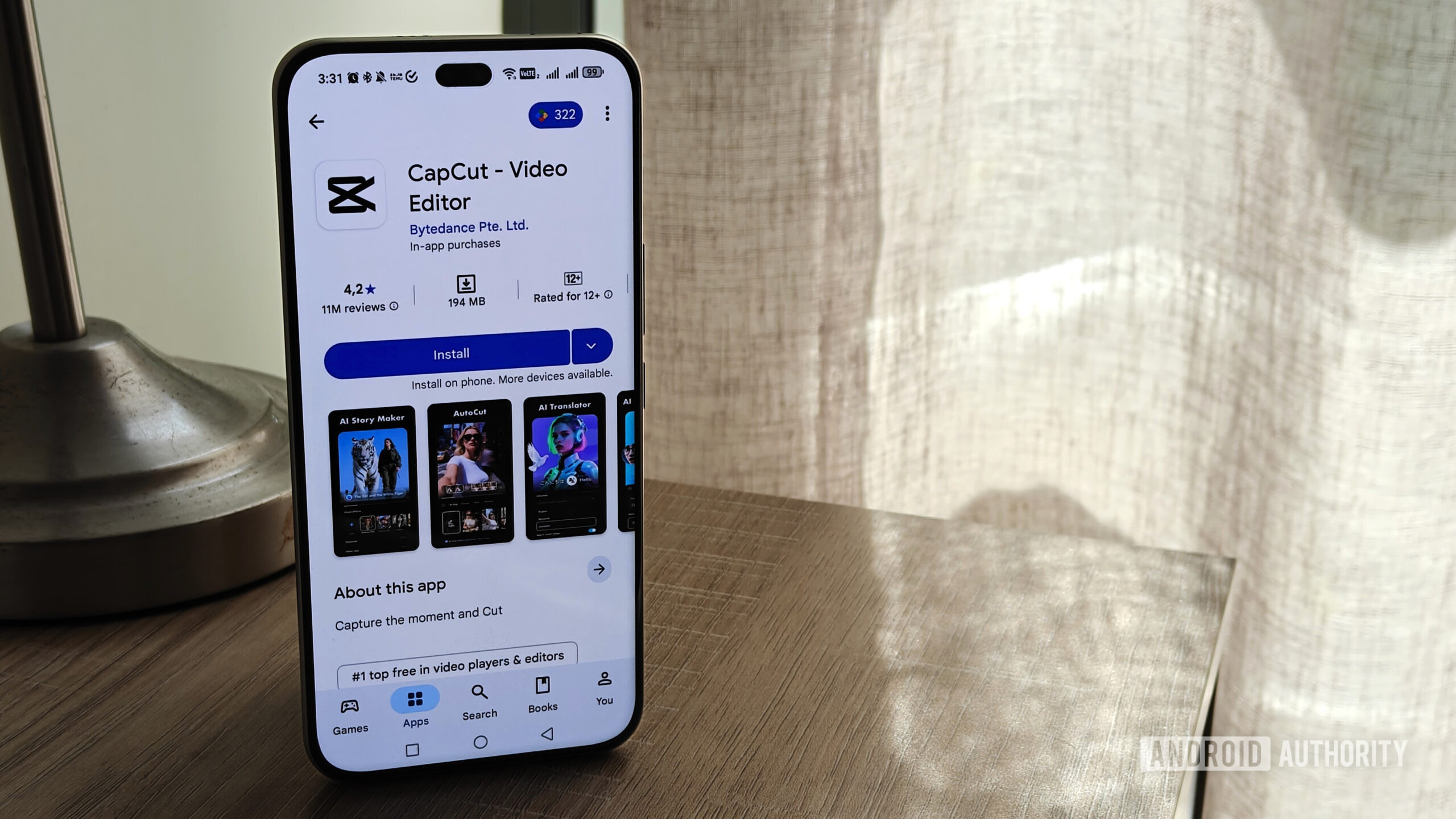
One of the things the article is complaining about is that many apps look like they are free in the store with an optional subscription, but once you’ve downloaded them you find out basic features are locked behind a subscription.
Personally the worst trend I’ve started seeing is “free” apps that are great for a few days until you find out they’ve been silently giving you a free trial of the premium subscription and now you’ll have to pay up to keep using basic features. They’re hoping now that you’ve spent some time learning and using the app you’re invested enough to start paying to keep using it. You could be getting yourself into one of these apps and not even know it til a week later, it’s infuriating.
Literally never experienced this. Try fdroid
deleted by creator
Yup. Even if you don’t change anything in your app, it still requires maintenance to run on newer devices.
The behavior is actively endorsed by the platform.