

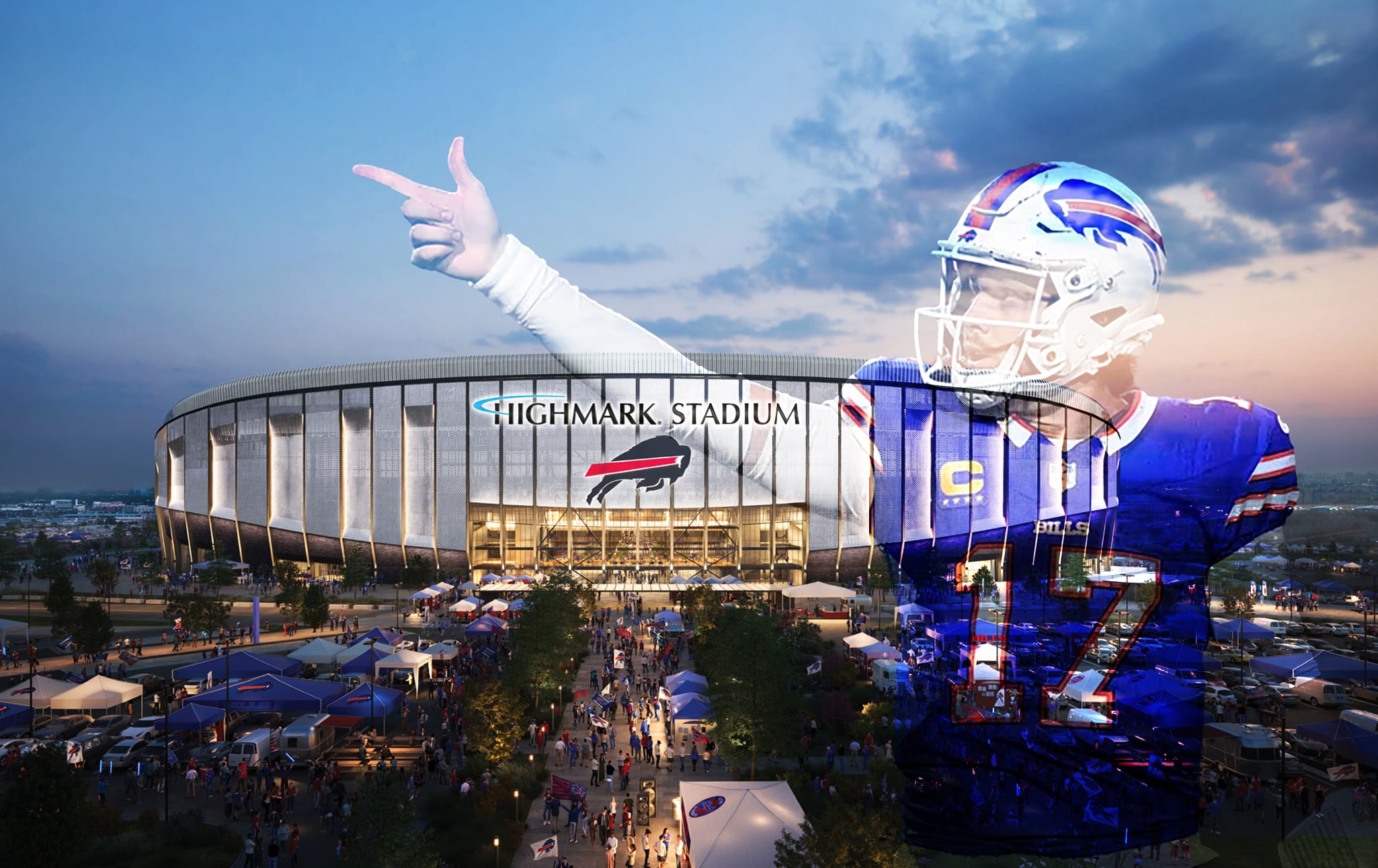
Instead, the people of major U.S. cities essentially pay for the privilege of spending more money once the stadium is fully built—or, as is becoming more common, paying for the privilege of being priced out of attending games when tickets go on sale. Not only can I not walk onto the 30-yard line of Lincoln Financial Field, home of the Philadelphia Eagles—which was paid for in large part by public money in the early 2000s—I must pay at least a few hundred dollars on any autumn Sunday to even attend a game.
One of the biggest falsehoods that sports franchises and local governments peddle is that new stadiums will stimulate the local economy so greatly that any tax money spent on building the stadium will somehow funnel back into the pockets of the people. It’s the sports world’s version of “trickle-down economics,” and decades worth of data prove otherwise.
You could hypothetically have a public stadium that would make sense for a city to build, but we do not have such a system in the US. For instance, Lumen (which is Seattle Stadium for the World Cup) hosts lots of events: NFL, MLS, NWSL, concerts, monster truck rallies, etc. and collects a lot of ticket revenues and also rental fees from its tenants. But when we finished construction, we turned over ownership immediately to a private company, First and Goal, who collects all these revenues and disperses them as profits, rather than returning them to the city to defray construction costs. If the city maintained ownership, we could actually make money off the project, while also having a more democratic process for deciding the tradeoffs between accessibility and revenues.