

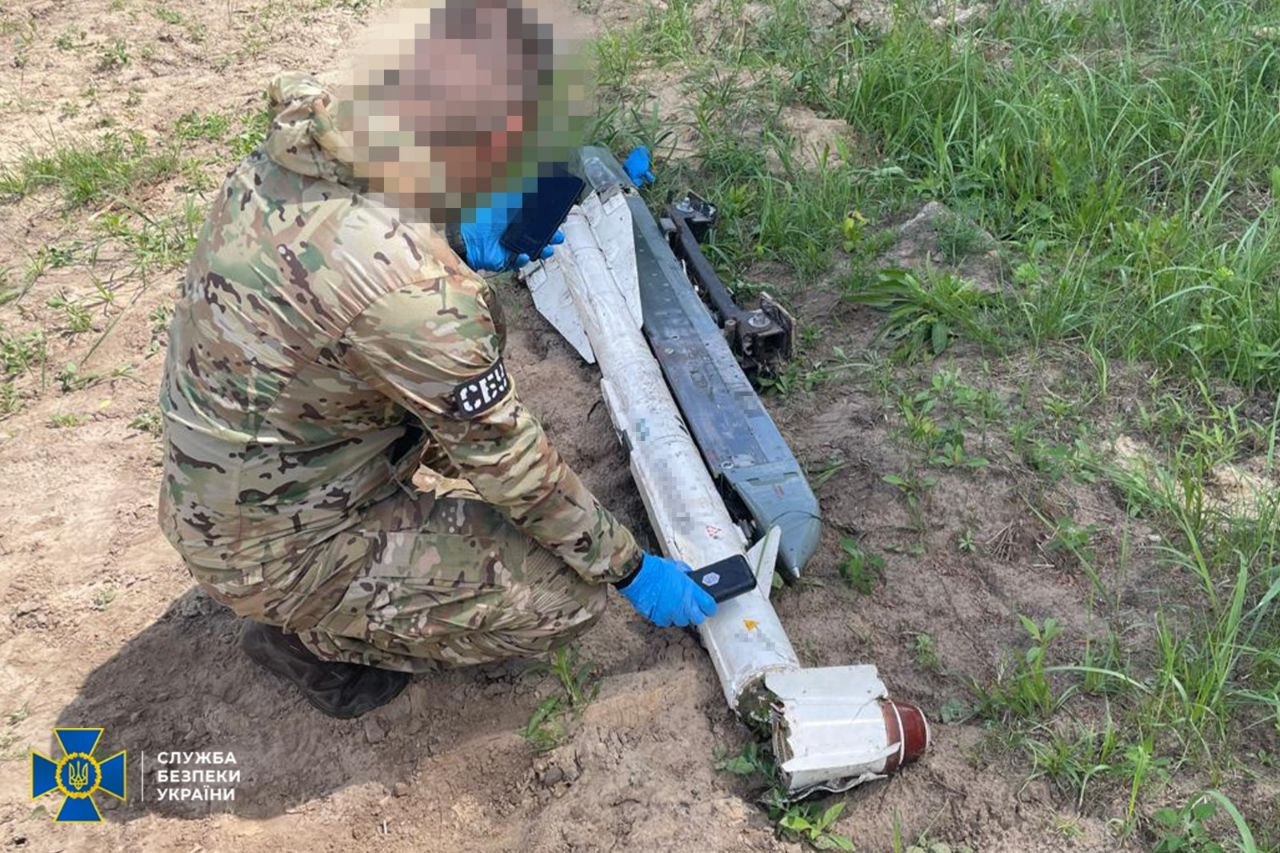
Damaged or burned munitions pose the greatest danger, as they may release radioactive dust hazardous to people and the environment. A gamma reading of 24 microsieverts per hour is roughly 80 times background and enough to flag debris as hazardous to anyone in prolonged contact, though a single brief exposure at that level is far below the dose that causes acute harm.
So if this is just a “higher cancer levels years from now” kind of thing, why would Russia bother adding uranium? Isn’t uranium expensive?
Enriched uranium is expensive. Uranium ore isn’tEdit: They did not use uranium ore
This is depleted uranium, not uranium ore. It’s actual refined uranium, but not the right sort of uranium for use in fission reactions like nuclear power plants or bombs
Alright, I stand corrected. I admittedly did not read the article before commenting, so I did not know they used depleted uranium.
Although my point about uranium ore being cheap is still technically correct 🤓
But it is radioactive. But given the mess around Chernobyl, drop in a bucket.
Thats just a side effect. The primary purpose of the uranium in the warhead is its armor piercing capabilities.
For armor piercing capabilities. And no it’s cheap because it’s radioactive and isn’t useful for very many things.
Lots of awful things about war. This is one in the endless list.
Lots of people didn’t read the article…lots of bad replies here.
"Ukraine’s Security Service (SBU) documented six more cases of Russian forces using munitions with uranium components against Ukraine, found in Geran-2 attack drones that struck Chernihiv Oblast between April and June 2026.
… Russia mounts old Soviet R-60 air-to-air missiles on the Geran-2 drones, and the uranium sits in those missiles’ warheads. The purpose is the arms race in the sky: the R-60 turns a strike drone into an air-to-air weapon meant to kill the Ukrainian aircraft and helicopters that intercept incoming drone swarms. What the SBU is now documenting is that the radioactive warhead configuration is not a one-off but a recurring feature of the strikes."
The uranium is in the warhead for armor piercing capabilities. Everything hit by it then becomes radioactive. And because of the setup, the drone parts that remain especially are radioactive because it is a kamikaze attack. The uranium explodes out in all directions.

