

When she arrived at the justice of the peace court on a rain-soaked morning, Marchana Watts hoped she could fight off her landlord’s push to evict her and her five children from their trailer home on the outskirts of Baton Rouge.
Watts, a careful record keeper who earned $20 an hour as an insurance analyst, came to Justice Tracy Batieste’s small courtroom with receipts. They showed she had paid her $950 monthly rent for the past year and a half, she said.
But when her case was called, Watts said in a complaint to the state judiciary commission, her evidence was “COMPLETELY IGNORED by the ‘judge’. She did not print out all of my documents and didn’t allow me to properly present them.”
Within a few minutes, Watts recalled in a later interview, Batieste moved to the issue of a court fee, instructing the manager of her trailer park to pay up.
He handed the justice a folded bundle of cash with a hundred-dollar bill on top, Watts said. “She stuck it in her robe … And then she was like: ‘You have 24 hours to move.’”
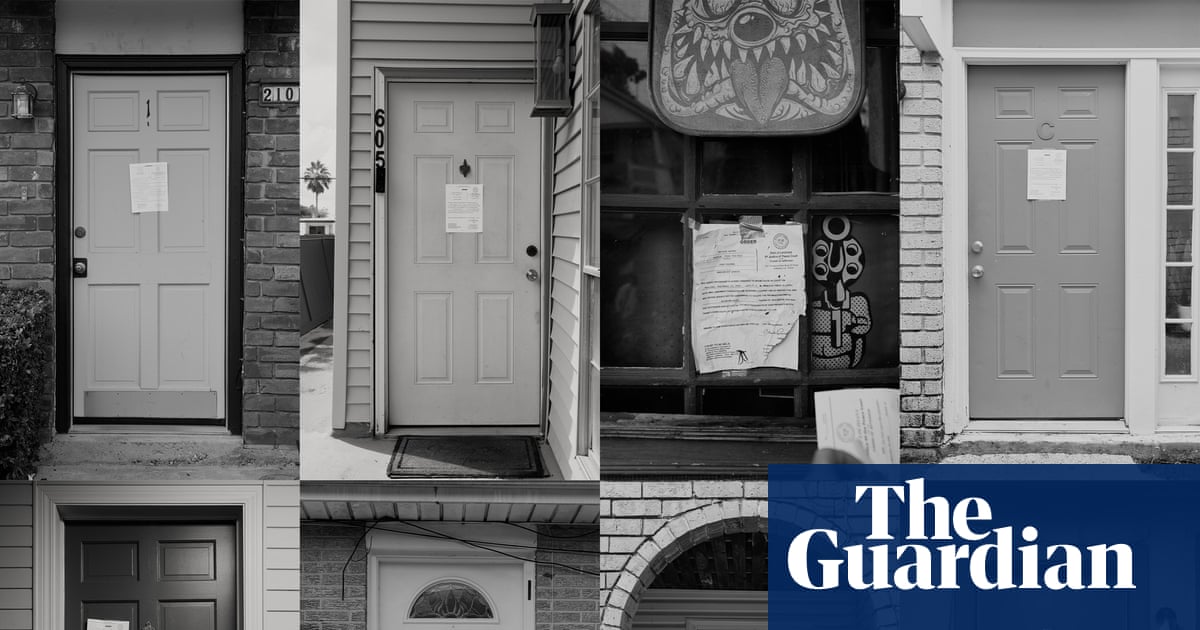
Watts had been evicted from her home by a little-noticed judicial system that orders thousands of evictions in Louisiana each year.
Inside Louisiana’s justice of the peace courts, evictions often move swiftly, landlords rack up wins, some judges earn outsized incomes – and housing advocates say tenants’ fundamental rights are at risk.
The state’s 390 justices of the peace work part-time – ruling on evictions, small claims and wage garnishments as well as, in happier moments, performing weddings. They are required to have only a high school diploma and their courts do not need to keep detailed records or follow standard rules of evidence. They are paid directly by the fees their court charges, including court costs in eviction cases that can total $150 or more.
In court documents and interviews, tenant advocates and legal experts say the interplay between fees and justices’ personal income creates conflicts of interest that can incentivize them to evict tenants and win the favor of landlords who bring in cases and fees.
“Why would landlords prefer to go to a justice of the peace court?” said Bradley Benton, a former legal aid attorney who has defended Louisiana tenants in eviction cases. “It’s faster. It’s cheaper. And it’s easier to evict.”
Eviction fees helped the justice of the peace in one part-time suburban court earn more compensation last year – over $400,000 – than the chief justice of the US supreme court earns.