- cross-posted to:
- linux@programming.dev
- cross-posted to:
- linux@programming.dev
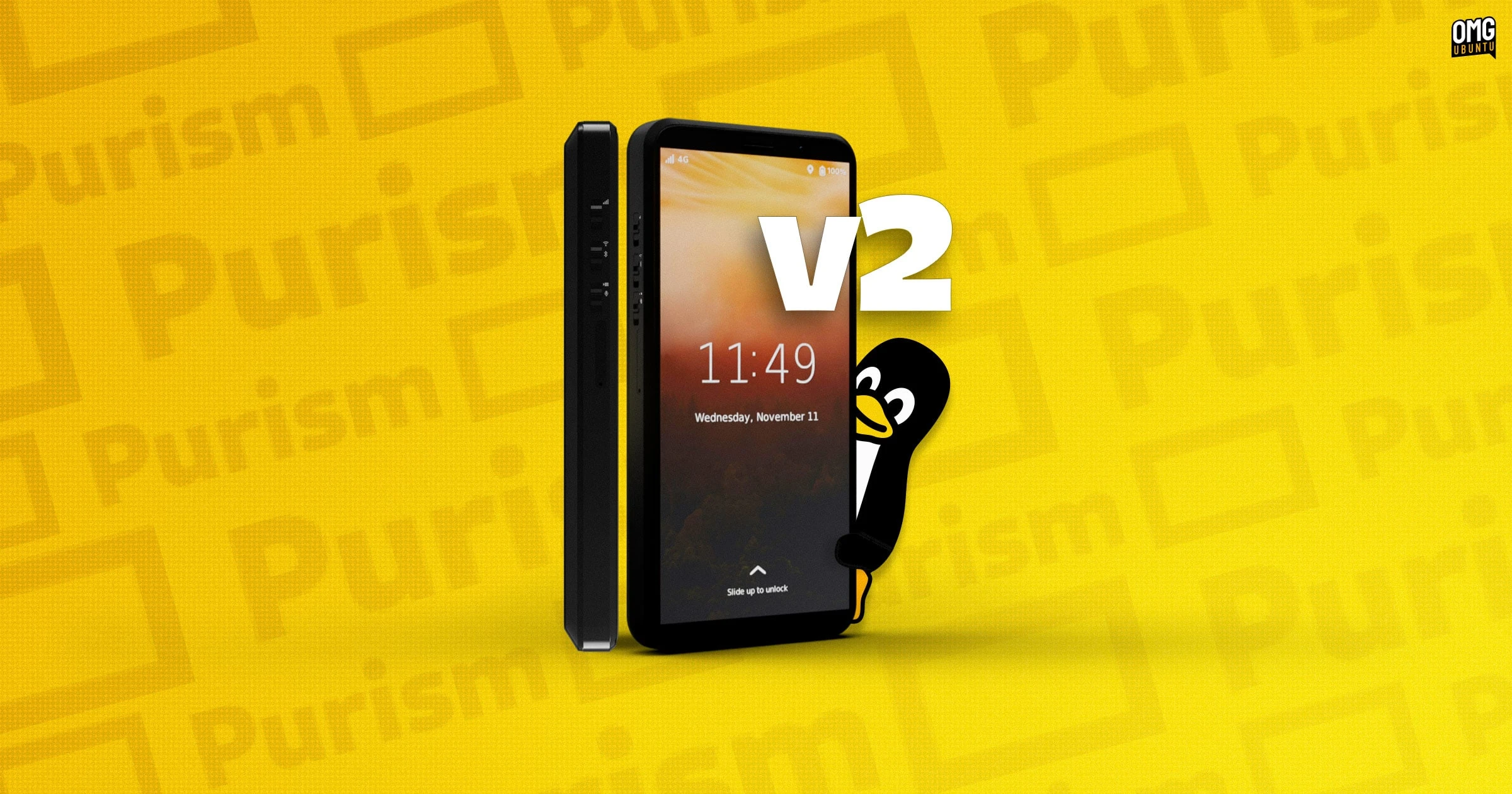
Purism is crowdfunding a new version of its Librem 5 Linux smartphone, this one powered by RISC-V rather than Arm.
Librem 5 v2 will use an octa-core SpacemiT K1 RISC-V SoC, replacing the quad-core ARM64 NXP CPU This platform shift will provide much better performance and longer battery life than the existing Librem 5 – and not run as hot in use.
Memory is increased to 8 GB RAM, up from 3 GB in the first-generation handset, and storage leaps to 128 GB from 32 GB.
SD card reading speeds are boosted, and on-board hardware encoding means the Librem 5 v2 can take 13 megapixel photos with and shoot high-definition video for the first time.
The rest of the phone is familiar to the first. The same case design, 5.7-inch (720×1440) display, removable 4,500mAh battery, audio jack and physical kit switches. This is intentional as it will make repairs and upgrades between generations easier.
Wireless connectivity also stays modular, though the v2 handset will ship with an improved 4G modem. A 5G module is planned.
Librem 5 v2 will run PureOS, Purism’s Debian-based operating system using Phosh as its UI.
Librem 5 v2 costs from $1599
“RISC-V is the future, and Librem 5 v2 is the perfect product to bring it to a mainstream audience”, Jonathon Hall, CTO at Purism, says of the launch.
“Freeing us from the control of Big Tech starts with the foundation, and RISC-V’s foundation frees us from the oligarchy. The Librem 5 v2 puts you in control of your data, combining that with the ease of use we expect in the modern era”.
Given that general feedback to the first-gen Librem 5 – beset by delays, price rises and patchy build quality – was mixed best. But, to it credit, Purism is still out there making, selling and supporting the phones (and their other devices and services).
Transitioning to RISC-V for the follow-up won’t be trivial, mind. Graphics acceleration, new drivers and power management (which on a phone is rather critical) will be big undertakings.
And more work is needed to make the day-to-day software stack editable, like browser performance (sluggish on the newest and fastest RISC-V chips) and providing an Arm64 app compatibility layer to run software not made for RISC-V. Available to back until February 2027
If you’ve got at least $1599 burning a hole in your pocket and you don’t need anything to show for it before 2028, you can go pledge to the campaign. It runs until February 2027, so don’t feel pressured to decide just yet.
You must log in or register to comment.
Some people here might remember that i said i was also looking into making a riscv phone.
Probably not a coincidence then that i was also looking at the SpacemiT K1 and they have also chosen it, its currently the only chip that has the juice and power efficiency required to be the minimum.
But i mean really the minimum, its slow and especially power hungry when compared to qualcomm chips, and that really is the killer.
Personally i don’t think RVA23 support is fully mandatory, you can compile stuff for the baseline the chip supports, it is annoying with precompiled stuff but i don’t think its a full dealbreaker.
I’m as much of a ricv and mobile linux supporter as anyone, but for $1599 this is not worth it.
No RVA23 is not great, and definitely not worth $1600 for almost everybody.
If you want a good Linux phone, get a device that supports Nura (formerly postmarketOS, the GOAT with mainline and close to mainline kernel + Flatpak support) or maybe a Jolla Phone (SailfishOS, partially proprietary, less fiddling but no Flatpak)
If you want a good RISC-V development kit, I would strongly suggest going for an SBC that runs on an RVA23 compliant chip, since that is what most distros will be targeting in the future. (like the boards with the SpacemiT K3, this phone is the older K1)
Yea we need more affordable dev phones - >$1000 for a hobby is insane
That is very expensive
I was thinking the same. Then there is iPhone – that ups 1 or 2 tiny specs then adds a new coat of paint and does similar price shock.
Good to have Linux options… just in case I ever stumble onto money.
No way I’m going to pre order. I don’t do pre orders. And it sucks not being up to the RVA32 baseline. But still looks really promising. I want a decent Linux phone and this seems temptingly close. But I’m gonna wait and see the finished product hardware and software first. For that kind of money I want something more than a toy to tinker with.