• 2 Posts
  • 91 Comments
Joined 1 year ago
cake
Cake day: July 14th, 2025

help-circle

  • For me, the end of year 12 is when my social experiences opened up. I grew up in a small town, and moved to a city to go to university. I moved into some of the smaller residential colleges. So made stacks of new friends from there, and from uni itself. Many of my high-school friends overall were not great people. (It wasn’t obvious at the time, but in hindsight there was a lot of racism, for example.) So I was happy to just leave all that behind.

    Anyway, one thing I find kind of sad is that basically all the small residential colleges are gone now, and a large proportion of university students don’t physically go to classes - and so those social experiences that I enjoyed won’t be available for young people today. They’ll still get something, but I can appreciate that the specter of loneliness may indeed loom large.
  • And that’s the power of being able to control the flow of information, isn’t it? All of us have heard heaps of news and stories about Assange, but very little of it has been from him directly. You’re right that people don’t really trust him. I don’t really trust him either - but quite likely that’s due to deliberate years-long efforts to discredit him. Sow doubt and ambivalence, and people just fade away.


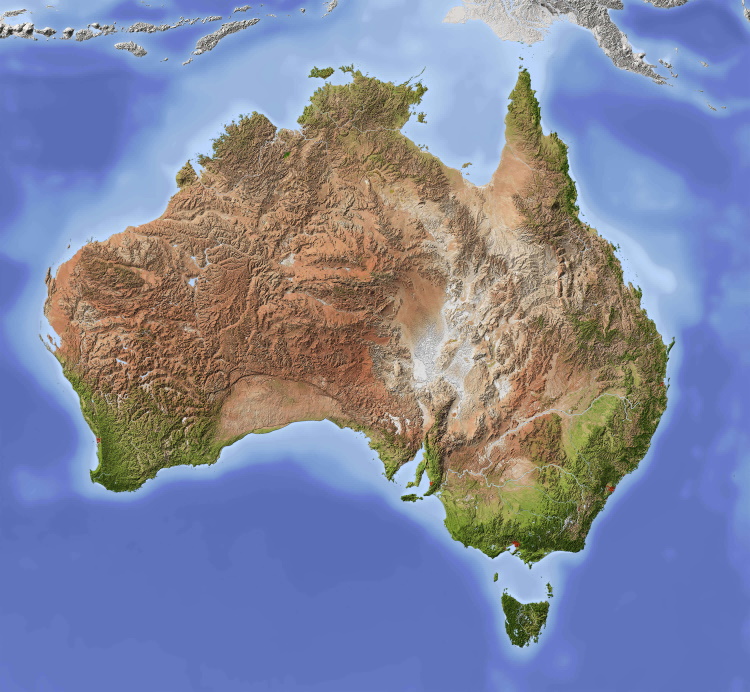
  • The title says “rabbits are the biggest threat to Australia’s native species.” That’s a claim that I find extremely unlikely, with some really obvious top tier candidates such as humans (destruction of ecosystems) and climate change.

    So I quickly skimmed through the article to get a sense of why rabbits were so damaging - and there doesn’t seem to be anything in the article that even refers to the claim. They do say that when rabbit numbers dropped, some other species started doing better. And there was another comment saying that rabbit attract feral predators such as cats and foxes - which to me kind of feels like blaming some of the damage of cats and foxes on rabbits just for the sake of the article.

    Meh. Maybe I’m making too much of this. The content is fine and interesting. But the title… it seems dishonest. I don’t like that.


  • I reckon the advice is the article is solid. Not fancy. Just simple good advice.

    What they call ‘Myth 2’ is similar to, but doesn’t quite describe what I think is the most common problem. There is sometimes some overconfidence in that a student may say they can do all the questions… but I don’t think the overconfidence is the root of the problem. The root of the problem (as the article suggests) is overreliance on notes, devices, and easy answers. For many students, studying is a pattern of look at a question, immediately get stuck, check notes / answers, feel a sense of understanding and thus complete the question; and then repeat with the next question. The issue is that they tend to give up too quickly, or want to “just check” very quickly after thinking of a strategy. A lack of perseverance and self-pressure in their study means that a massive chunk of the study time amounts to just copying someone else’s answer rather than producing their own. (And obviously, producing ones own answers is the more productive part of study.)


  • Illegal tobacco markets require that people still smoke. The current laws are in place to reduce the number of people who smoke.

    So the illegal markets are fighting a losing battle here. Their market is shrinking. And as they take more market-share from lawful sellers, that only serves to hasten the decline, because those legitimate businesses are required to mask the illegal ones. Every seizure of illegal goods is a loss for that illegal business.

    So I don’t think we need to a change strategy here. The smoking industry is going to run out of breath, as long as we don’t give them a break. I pretty wary of the people who are arguing in favour of easing off. One Nation in particular is basically just a lobbying magnet.


  • I use cash very often; almost always at cafes and restaurants, and often in other places too.

    I have several reasons for using cash:

    • Avoid surcharges.
    • Avoid entrenching dependency on payment-processing companies.
    • Avoid easy tracking by banks and payment processors.
    • Maintaining a sense of deliberate decision-making with purchases. (Using cash means I physically and necessarily think about how much money I’m handing over, whereas with a phone or card it takes no thought at all.)
    • (and other reasons along similar lines and values as those I’ve listed.)

    Really, I think it would be a disaster if cash was no longer widely accepted. Having all transactions funneled through a handful of private companies, with no way of avoiding them, … that would be very bad for a heap of different reasons. So continuing to use cash simply so that cash continues to be an option is good enough reason on its own.


  • Anti-advertising laws and high taxes on cigarettes crushed smoking rates. Cigarettes use to be everywhere. People would be smoking on every street corner; cigarette butts on every footpath; a pervasive stench of smoke in basically every public building.

    The anti-smoking campaign worked. Unfortunately, law-makers were slow to react to the rise of vapes, and now smoking got its foot back in the door with their highly addictive product.

    I don’t know what the right play now is, but I’d be highly reluctant to roll back a system that worked. Many of the people calling for reduction in cigarette tax have essentially zero credibility. Obviously there are businesses that want to sell more cigarettes and are willing to lobby to that effect, and people like Pauline Hanson love to take those sweet lobbying perks. So I’d be inclined to take the view of neutral experts, and the evidence of my lived history.


  • I agree that the relative openness makes the choice more transparent to the public. Pauline Hanson’s One Nation party is clearly bent on acting in the interests of Gina Rinehart - and we as voting members of the public get to decide whether we’re ok with that.

    I think that a lot of people are not ok with it; including a lot of people in One Nation’s target audience. That’s why Pauline Hanson downplays the relationship.

    Also, the main reason Gina Rinehart’s influence over Pauline Hanson is well own is because articles like this one exist. People go out of their way to shine a light on their relationship, because we it well understood that billionaires buying political influence is bad - even when that influence is not kept a secret.

    And finally, Gina Rinehart’s obscene wealth allows her to buy vast amounts of influence over the general public. And she is doing this, sometimes in obvious ways (such through ads, and their One Nation cartoon), and sometimes less obvious ways (such as armies of social-media sock-puppets, and close financial ties with media outlets). That’s how One Nation is able to be so popular despite having no members with any policy skills, and selfish goals bent around what is profitable for Gina Rinehart.