
2·
10 days agoYikes 50c is diabolical.
Yikes 50c is diabolical.
Yep, my coffee shop got rid of the 7c surcharge and upped the price of a latte by 30c. Found a new coffee shop. It’s not like they’re unique.

I was surprised by so many brands now being owned by US giant Simplot.
Birds Eye – Frozen vegetables, frozen fish, frozen meals, hot chips
Edgell – Canned vegetables, frozen vegetables, beans, corn, hot chips
Leggo’s – Pasta sauces, tomato paste, pasta, cooking sauces (featured in the doco)
John West – Canned tuna, salmon, canned seafood, frozen seafood
Chiko – Chiko Rolls and frozen snack foods
Harvest – Shelf-stable meals, canned meals, cooking ingredients
I&J – Frozen seafood
Captain’s Catch – Frozen seafood
Chicken Tonight – Cooking sauces
Raguletto – Pasta sauces and pasta products
Five Brothers – Pasta sauces
Seakist – Canned tuna and seafood
Ally – Canned seafood
Providore d’Italia – Italian-style sauces
Top Sail – Seafood products
And then this guff on the Simplot website: “ Our products have to be Australian sourced. Customers want to see that we are supporting the Australian business.” hmmm
It’s definitely an old operating system issue - not on the latest.
I did not get anything :( feel left out :(((

Developer hasn’t even put in an application yet. Media jumping the gun a bit.
My coffee went up 20c to $5.80. Still worth it.
Junket is so underrated. Def needs a comeback. Pink panna cotta!
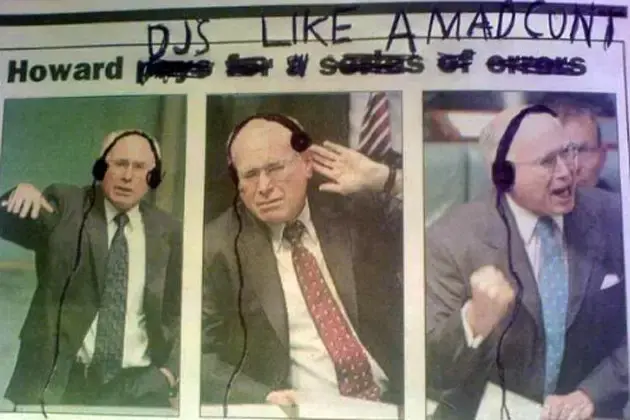
I like the way you phrased it as - all the elected members got to vote, but not the unelected ones for obvious reasons.
Reminds me of the story about returning planes and bullet holes https://en.wikipedia.org/wiki/Survivorship_bias
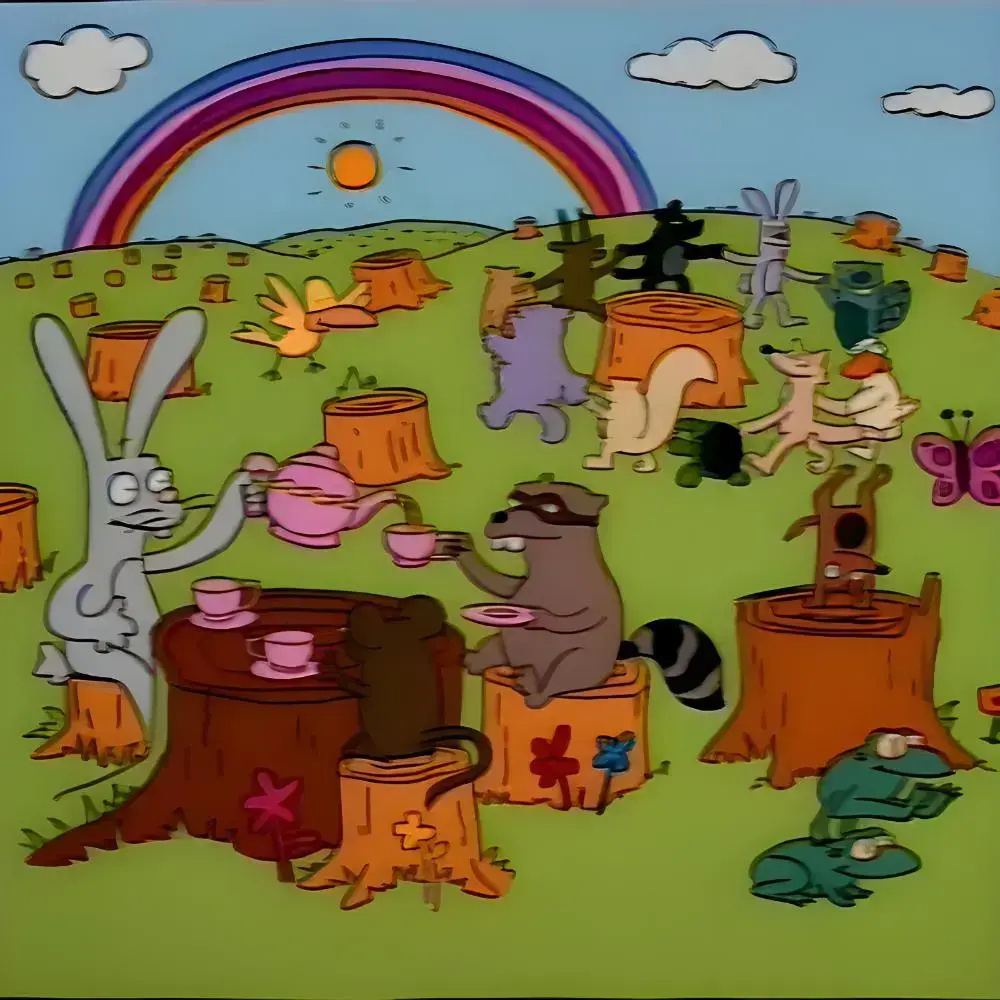
Haha this was good fun.
They reel out of the sky at you like they’re barrelling out of a nightclub bathroom wearing a floral shirt open to the navel, beaks atwitch, roaring a garbled query that sounds disturbingly like: “What did you just say to me?”
Team Bush Stone Curlew!
That was nice of your neighbours. :)
I was just reading a science fiction novel where algal blooms are one of the things that precede the societal collapse. Fun times. The book was called Timescape.
Best of luck to him! Hope this goes far and wide.
Kmart would probably be the cheapest. I still use my Kmart microwave and blender 5 years on. If you’re looking for bigger appliances I’ve always had good service and delivery from Appliances Online.

Or is it that they do feel those emotions, but are either consciously unaware of them, or try to suppress them or express them in a culturally acceptable way?
That’s it exactly I think. There’s no difference between genders as to how the brain creates these emotions, but the expression of them is culturally learned. It’s been a while since I read the book so I hope I’ve got that right.
I read an interesting book called “How Emotions are Made” by Lisa Barrett which talks about how emotions are created by the brain - they’re not things you have; they’re things you make and they’re influenced by culture, your past experiences, and what your body is experiencing right now.
There was a few key takeaways (this is generated by GPT bc it does a better job at summarising).
Core Argument: Barrett argues that emotions are not hardwired, universal reactions to the world. Instead, they are constructed by our brains, much like perceptions or thoughts.
Key Concepts:
Practical Takeaways:
Barrett’s theory reframes emotion as a highly individual and cultural phenomenon, shaped by your brain’s predictions, concepts, and social context—not a universal biological blueprint.
—
I went down a whole rabbit whole of “your brain is a prediction machine” after this and it was super cool.
Was just thinking… you know how like some ludicrous % of insect species have died out, maybe it’s bacteria as well. So maybe our gut biomes are deficient in strains that used to be abundant. 🧐
Yeah ham when I grew up was the processed stuff formed into logs. Devon? Lovely on a sandwich with tomato sauce but I have no idea what was in it!


BIRDS SAY GOOD MORNING!!