

Agree with others about the joints. I had a 20 gallon aquarium on an old pine table my dad built. Mortise and tenon joinery on the aprons, plus angle brackets to hold the legs in (which were 2.5"x1.5"). This is 50 years old and quite frankly over-built.
The top started buckling, cracked, and the legs splayed a little under the load after a year. It’s mostly healed itself in the ten years since the aquarium has been gone, but never underestimate how much weight an aquarium can put out.
He designed a pine stand for a 70 gallon aquarium after that, and the floor buckled before it did. The top is slotted pine, like this, (for condensation which can damage wood) with small spacer blocks in between. I believe these sit on 4x4s that are mostly hidden on the inside by being part of panels and frame. Mostly mortise and tenon and bridle joints.
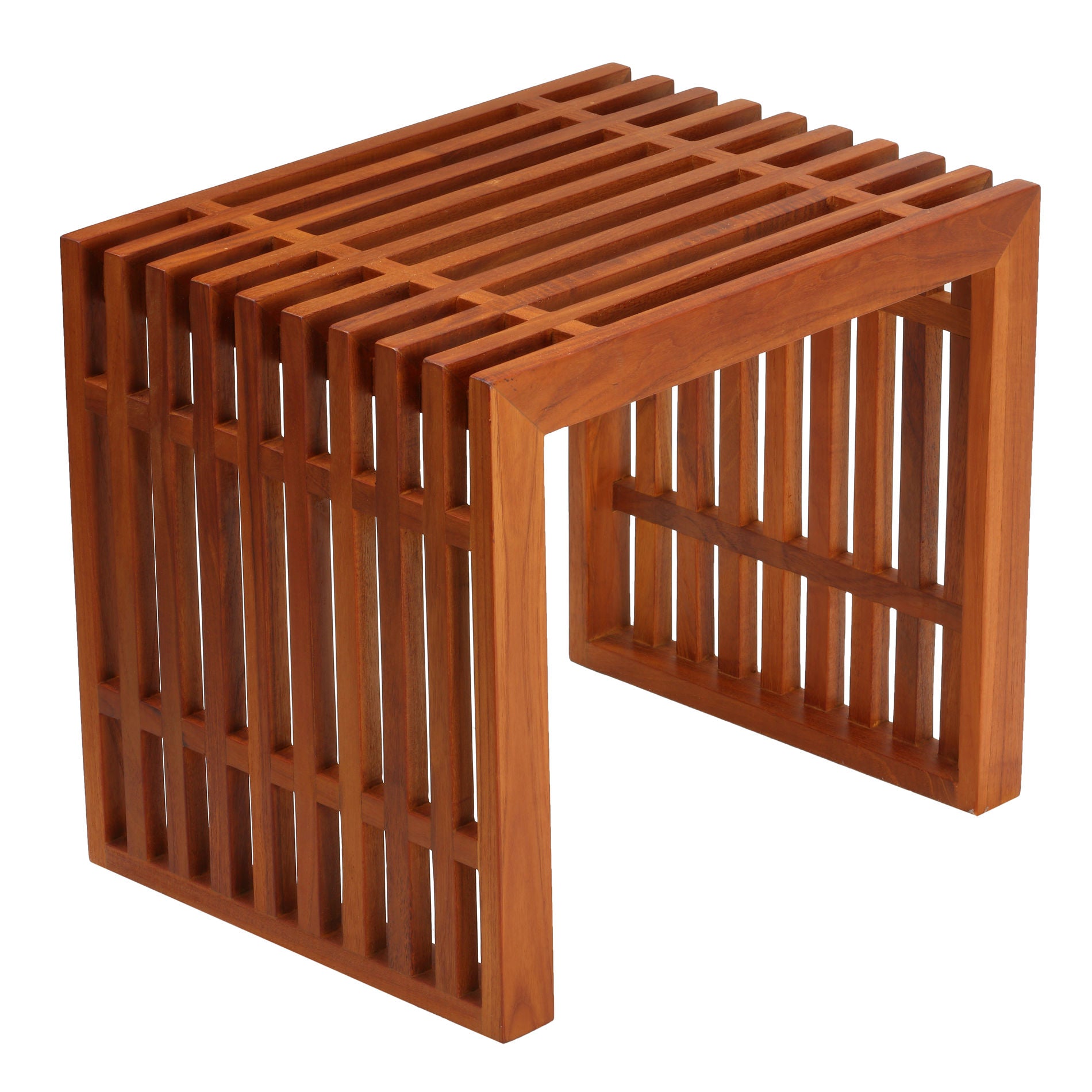
Most of the examples online use construction lumber on the inside, and face frames on the outside.
I have both a bandsaw and scrollsaw, and use the scrollsaw for thicker wood all the time. 7cm would be pushing the tool to the limit. When I cut 5cm maple, the blade bent considerably inside the wood, and burning was a real factor. However, I was pushing and should have just slowed down.
Still use my scrollsaw all the time, it’s pretty much the only thing I’ve found that does good interior cuts of of wood, and curves much better than a bandsaw.