on T-Mobile USA: I preordered my iPhone 15; the QR eSIM and automated SIM transfer system was completely down and I had to spend 30 minutes to an hour on the phone with customer service to swap over my physical SIM to an eSIM I could type (IIRC) into my new phone.
I’m not sure if there’s some special calling feature to reach a previously associated provider, but when I’ve been in that situation I just borrowed my roommate’s phone.
On the phone that isn’t connecting to the internet, because it doen’t have a SIM yet? Or do eSIM phones use free internet before they have an eSIM issued?
In the store if you’re getting the phone from a store, or somewhere with wifi (home, a friend’s, a cafe) if you’ve gotten it some other way.
If you don’t have any of those, you probably live way out in the jungle, and I’d be surprised if you had service even if you got the eSIM. But in the edge case that you somehow got home delivery postal service in the jungle, you’d probably be able to survive just fine without it until your next trip into town.
In the extreme edge case that you are in the jungle, get service, and your need is critical, I would have an activated backup phone tested periodically and ready to go.
Yep, same here. Wouldn’t want to use eSIMs at all if they were any more hassle than this. But their process to me is good enough to outweigh the physical SIM swapping process.
They’re functionally the same as normal SIM, instead it is stored in a secure location of the storage (which can survive factory reset). In a way, it makes it a bit more secure as a thief can’t just yank out the SIM card to avoid being tracked (although it doesn’t defeat a faraday bag) or take it out to use it in another phone.
The major function of a normal SIM is the ability to take it out of one device and put it into another one, effectively disconnecting my identity towards the network provider, from the handset. With eSIM, that doesn’t exist, and if my phone breaks, it’s unclear what happens.
To me, that’s not secure, that’s unsafe and insecure.
From a corporate device perspective it’s an interesting evolution though, since we can remotely provision an eSIM through our mobile device management platform. No SIM to handle from the user point of view, and they can’t take it out.
Generally you go to some site your carrier has, enter the IMEI or some number from your phone’s settings, then scan a QR code. It’s not bad… depending on your carrier.
When I got my Pixel 8 Pro it asked me if I want to convert the physical SIM from my Xiaomi 9 SE (and disable the old SIM). I didn’t have to take off the case and move the SIM, so I liked it.


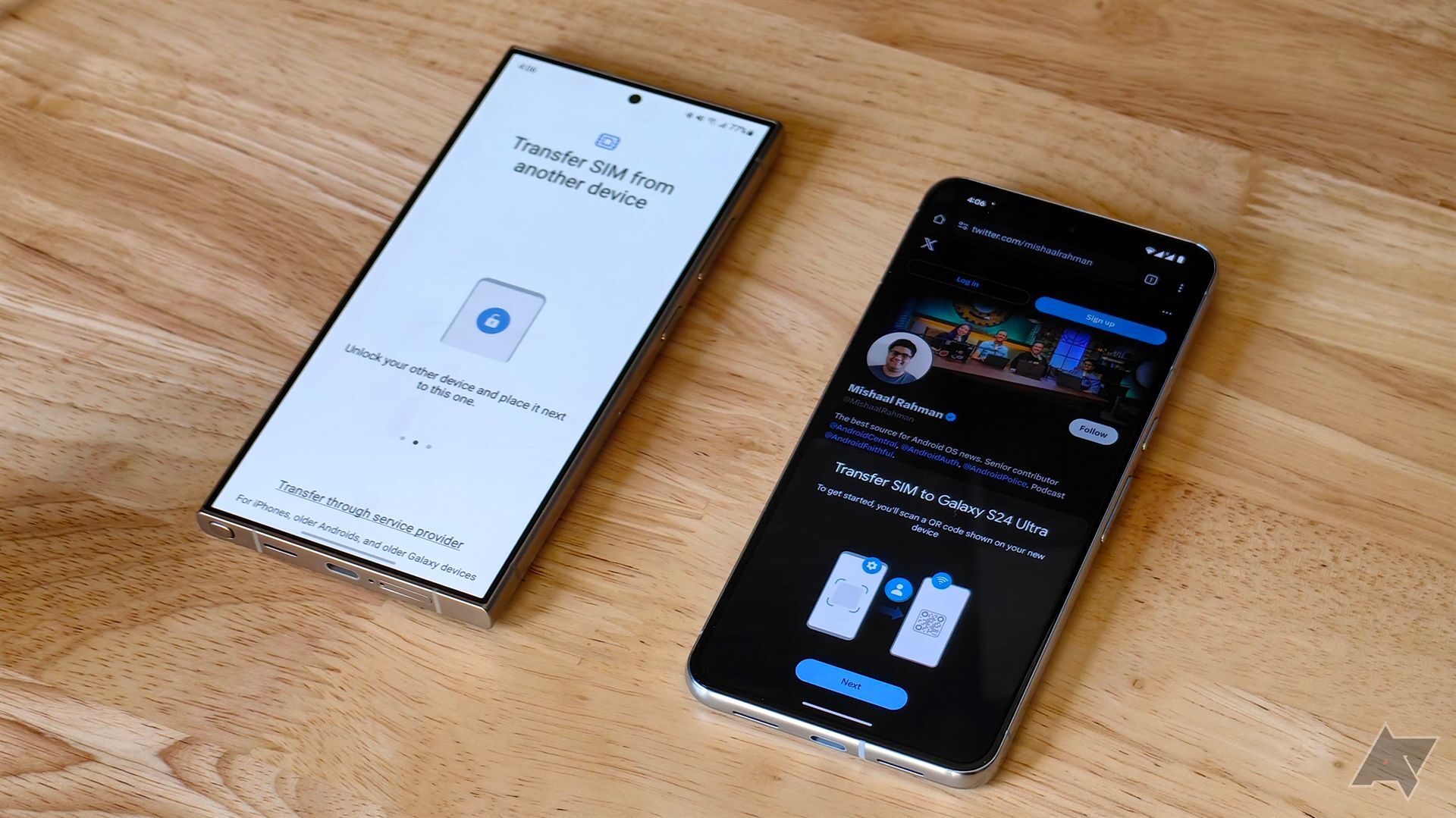
How do these eSIMs work from a user’s perspective? I’ve only ever had phones with physical sim slots
on T-Mobile USA: I preordered my iPhone 15; the QR eSIM and automated SIM transfer system was completely down and I had to spend 30 minutes to an hour on the phone with customer service to swap over my physical SIM to an eSIM I could type (IIRC) into my new phone.
How frustrating
deleted by creator
That’s my big concern as well.
Removed by mod
Its a shitty replacement. If I couldnswap phones like a sim card i wouldn’t care. But they charge for a phone swap no thanks.
You call support and have them issue a new one.
Don’t you need a SIM for calling?
I’m not sure if there’s some special calling feature to reach a previously associated provider, but when I’ve been in that situation I just borrowed my roommate’s phone.
deleted by creator
No, they issue it virtually. Then you download it via their app or via regular cell network provisioning.
On the phone that isn’t connecting to the internet, because it doen’t have a SIM yet? Or do eSIM phones use free internet before they have an eSIM issued?
In the store if you’re getting the phone from a store, or somewhere with wifi (home, a friend’s, a cafe) if you’ve gotten it some other way.
If you don’t have any of those, you probably live way out in the jungle, and I’d be surprised if you had service even if you got the eSIM. But in the edge case that you somehow got home delivery postal service in the jungle, you’d probably be able to survive just fine without it until your next trip into town.
In the extreme edge case that you are in the jungle, get service, and your need is critical, I would have an activated backup phone tested periodically and ready to go.
The same way Verizon phones used to work: less well.
Exactly back to phones working on only one carrier. I know not yet but give it awhile.
@AdmiralShat @FragmentedChicken phones that support esims have actual sim chips inside, and esims basically flash the carrier data onto that chip.
Removed by mod
Yep, same here. Wouldn’t want to use eSIMs at all if they were any more hassle than this. But their process to me is good enough to outweigh the physical SIM swapping process.
They’re functionally the same as normal SIM, instead it is stored in a secure location of the storage (which can survive factory reset). In a way, it makes it a bit more secure as a thief can’t just yank out the SIM card to avoid being tracked (although it doesn’t defeat a faraday bag) or take it out to use it in another phone.
The major function of a normal SIM is the ability to take it out of one device and put it into another one, effectively disconnecting my identity towards the network provider, from the handset. With eSIM, that doesn’t exist, and if my phone breaks, it’s unclear what happens.
To me, that’s not secure, that’s unsafe and insecure.
From a corporate device perspective it’s an interesting evolution though, since we can remotely provision an eSIM through our mobile device management platform. No SIM to handle from the user point of view, and they can’t take it out.
Generally you go to some site your carrier has, enter the IMEI or some number from your phone’s settings, then scan a QR code. It’s not bad… depending on your carrier.
And pay a fee.
When I got my Pixel 8 Pro it asked me if I want to convert the physical SIM from my Xiaomi 9 SE (and disable the old SIM). I didn’t have to take off the case and move the SIM, so I liked it.