

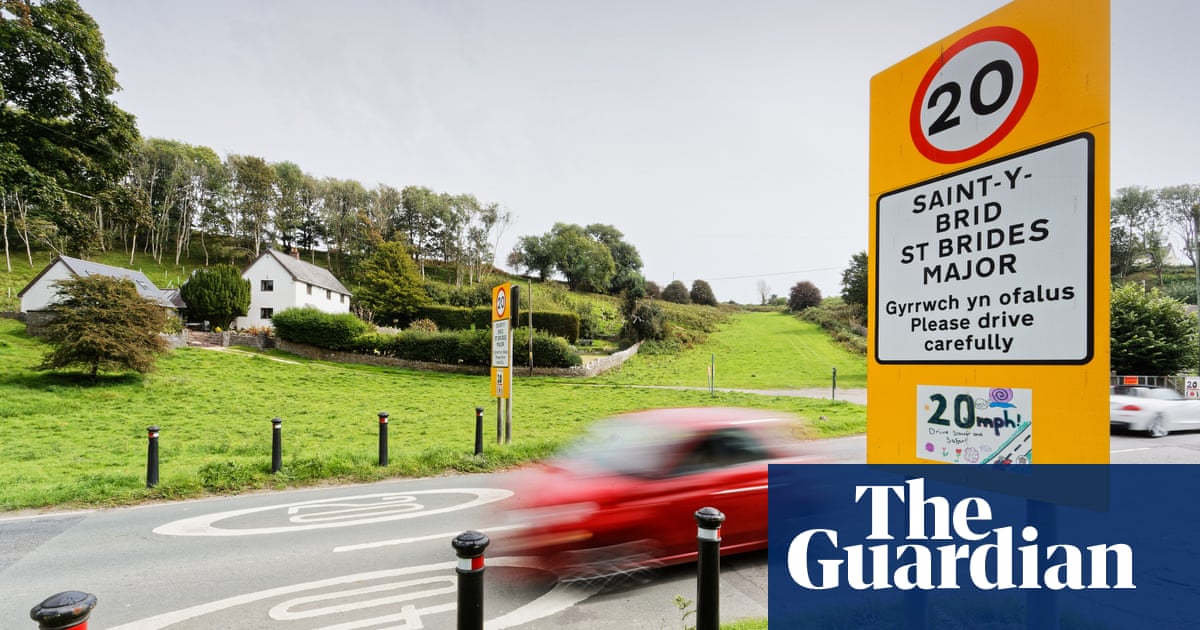
Even with the caveats about limited data and untangling causation and correlation, the statistics are striking: the first year of a scheme in Wales where the speed limit on urban roads was lowered to 20mph resulted in about 100 fewer people killed or seriously injured.
Fantastic! wonder how people are adjusting? Walking more, pooling trips, or avoiding slow roads?
I wondered at the definition:
Will this result in worse lighting to avoid the reduced speed limit?
The thing about the lamp posts doesn’t really have any significance. Roads in the UK have a default speed limit that doesn’t need to be marked with the speed limit - it’s 30mph for “normal” streets with regular lamposts, 60mph for other roads, 70mph if there’s an embankment thing in between each side of the road. 180m spacing must just be the technical definition for what makes a road 30mph. In Wales, they made default 30mph roads 20mph.
Not sure why they’d adjust. It’s mostly urban areas where top speed makes little difference to journey times. Journey times are generally decided by how long you spend waiting at every light and intersection.