
- cross-posted to:
- climate@slrpnk.net
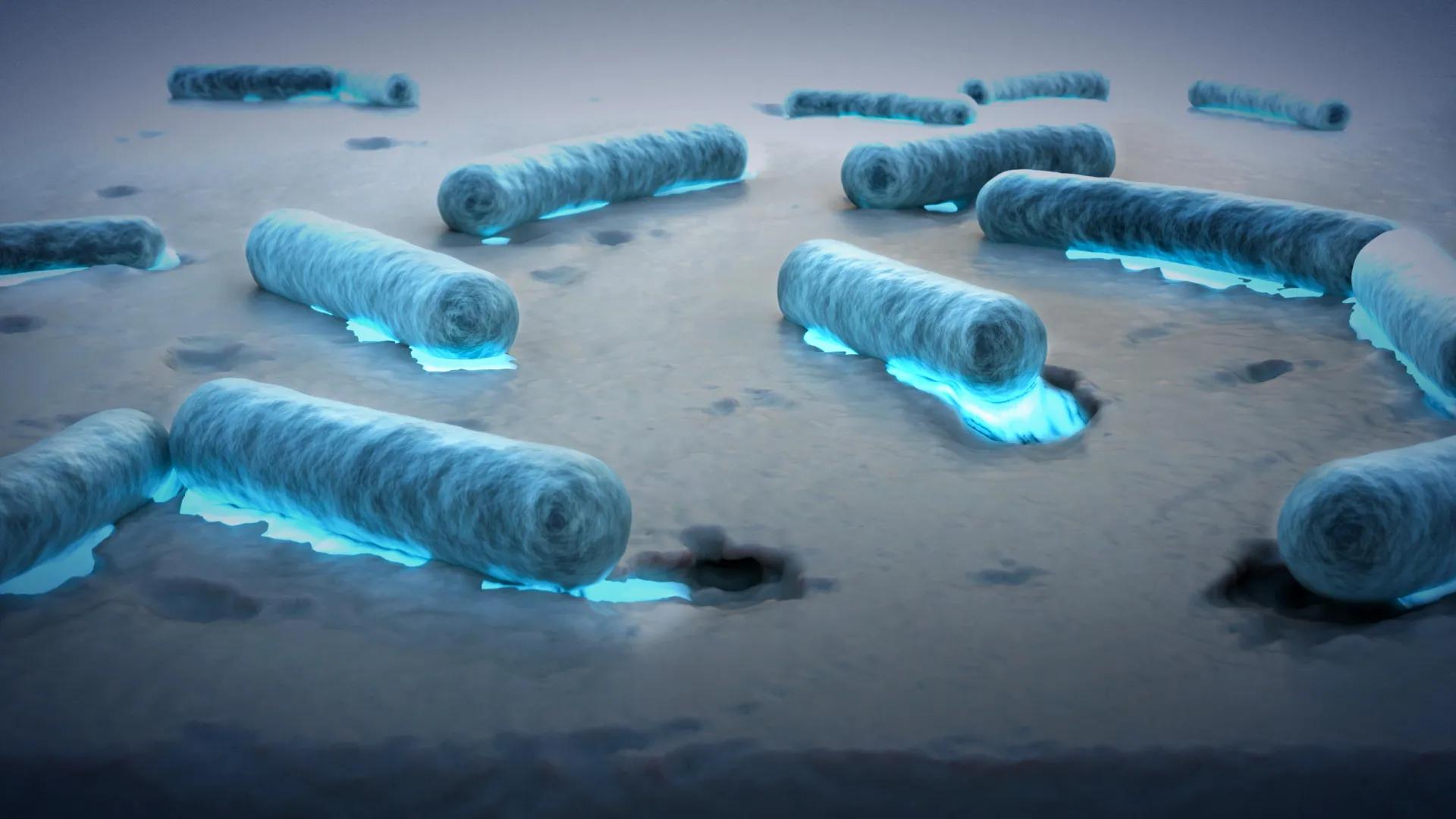
While this is awesome news (if true as stated), I’m afraid it will lead to a cessation of anti-pollution efforts and a return to the old thinking of “nature will handle it.”
What if the opposite happens and “oh shit, all plastic in the world is getting eaten, it’s worthless now!”
It happened to cellulose.
That would be so hilarious! The thing you put around shit so it doesn’t spoil? Guess what! IT SPOILS!
What’s going to happen to all the micro plastic in our bodies? And how long before it just eats us too.
They’ll just create a new undegradable plastic and then we’ll have the plastic pollutn problem all over again. Its an endless loop from which the only way out is an intentional, designed solution.
Oh yeah, it’ll definitely become a sort of arms race.
I dont really follow.
You think people are going to point to this as a reason not decarbon?
Im sure that idiots will, but those people were never going to make any meaningful effort to decarbon anyway.
I am continuously amazed how people keep confusing plastic pollution with carbon pollution. They are not even close!
Settle down mate. Im well aware that plastic pollution is not carbon pollution.
The comment i replied to suggested that solving plastic pollution might discourage people from addressing pollution all together. Plastic and carbon are the most problematic pollutants.
Has anyone considered the flip side of this. if we are unintentionally creating a bacteria that eats plastic, and our civilization is made of plastic, then this is a bad thing. Hospital equipment, airplanes, computers food storage, electrical wires…
Don’t get me wrong, I think we should end all plastic use. but in a controlled way, not with a plastic eating plague.
Kind of, but there are plenty of paper and wood decomposers and we still use plenty of those. It will have consequences but you already have to service vehicles and you already need to sanitise hospital equipment
There are plenty of wood eating bacteria and fungus all around you and yet wooden buildings still exists.
These microorganisms need a favourable environment to start digesting wood, for example. That’s why you can stack firewood outside without it being decomposed, but leave a tree out in the mud and it gets eaten.
There are exceptions, something like Serpula lacrymans, can bring down whole buildings, but even there the wood needs to be humid enough for it to be attacked by this fungus.
To be fair, this has happened before, and I understand it was far hard for the bacteria then.
There was a time when cellulose could not be broken down. Trees fell and piled up for … miles? Anyway, then bacteria figured out how to break it down. (We also got coal from the trees that were burred.) Anyway, we still build out of cellulose. Sometimes we treat the cellulose, sometimes we don’t.
Plastic may, or may not, end up the same way.
I don’t think bacteria can stop Big Oil from pumping oil to make plastic and Big Plastic from making consumer things.
When the plastic eating bacteria starts endangering the existence of artificial consciousness in the machine, life on earth will be purposefully wiped out.
anyway, how nobody mentioned https://en.wikipedia.org/wiki/The_Andromeda_Strain yet?
Anyone has a link (or maybe a pdf?) for the original paper this is based on?
Yeah, they expire in no time. Had to mess with blockers settings to get to it from original document, but now I have something fun to read over the weekend.