

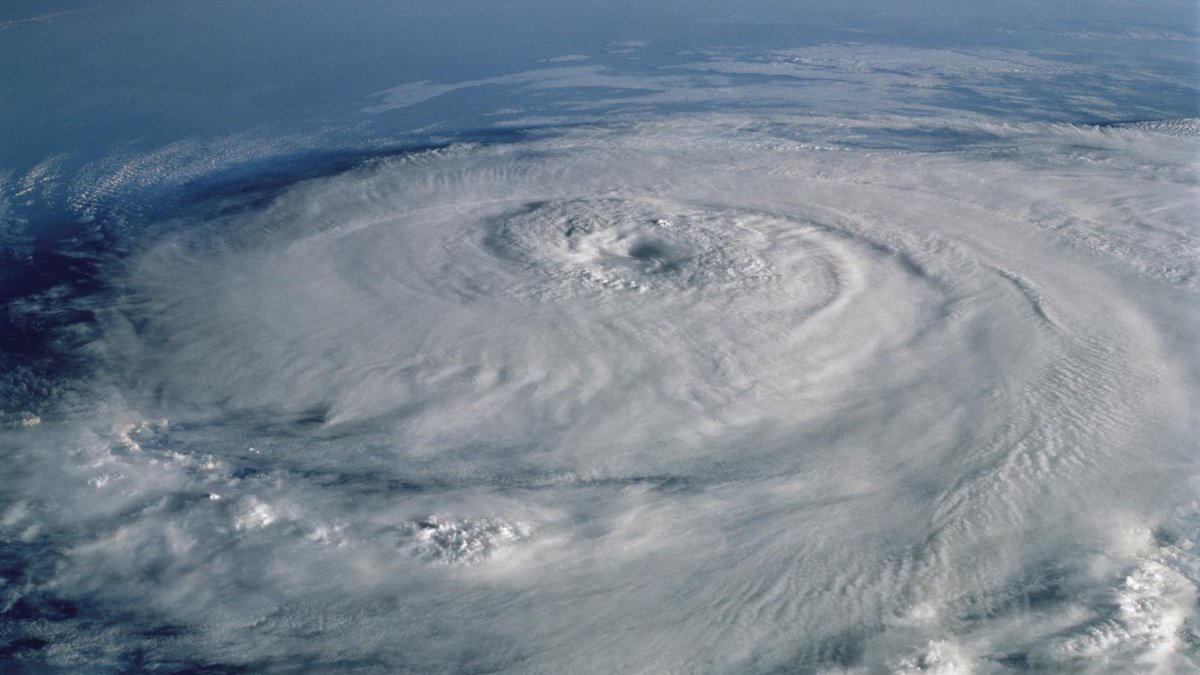
We’ve never had an Atlantic hurricane season without a single hurricane through the end of September since reliable records began—until now.
That fact underscores how remarkable this season has been, with an exceptionally strong El Niño—likely to become the biggest in living memory—keeping a lid on tropical cyclone activity in the Atlantic while supercharging it in the eastern Pacific (and giving Hawaii one of its busiest seasons on record).
Though ocean waters across the Atlantic are amply warm right now, those cross-cutting winds—known as wind shear—aren’t abating. That’s thanks to El Niño. This cyclical climate phenomenon happens because of an eastward shift in warm ocean waters in the Pacific, although it has worldwide effects on the weather. The movement of warm waters, in turn, changes where heat enters the atmosphere, which alters the motions of atmospheric currents. In the Atlantic, that means there is more wind shear and air that pushes downward, both of which stymie cyclone development.
This is totally not based on weather science, but more of a gut feeling. Just like with being a water supply, are hurricanes also a way for the weather system to adjust heat energy? So lack of hurricanes will cause drought conditions in places that typically fill some of their water table from the heavy rains… what will not moving all this heat energy result in?
No. You’re close. It’s a result of heat differentials. My suspicion is that the warmer air and water is somehow stifling them. I bet we end up seeing hurricane season start and ends shift a bit.