
It’s interesting to note that these hand-wringing, sky-is-falling pieces unfailingly focus on external issues. Few of us doubt what we feel in our bones to be true — that long-form reading is being harmed by disruptive technologies and other beyond-our-control societal issues (political dysfunction and a decrepit educational system) that apply to the demand side of the equation.
But what about the supply side?
…
Consider the death of the mass-market paperback last year. When the Big Five publishing houses (Penguin Random House, Macmillan, HarperCollins, Hachette, and Simon & Schuster) took the most affordable book format in America — known for its modest price and compact size — off of life support in 2025, it had long ago failed to live up to the “mass” part of its name. At that point, the books under that banner were recognizable but lacking the vitality and freshness that had first driven them to national attention in the twentieth century.
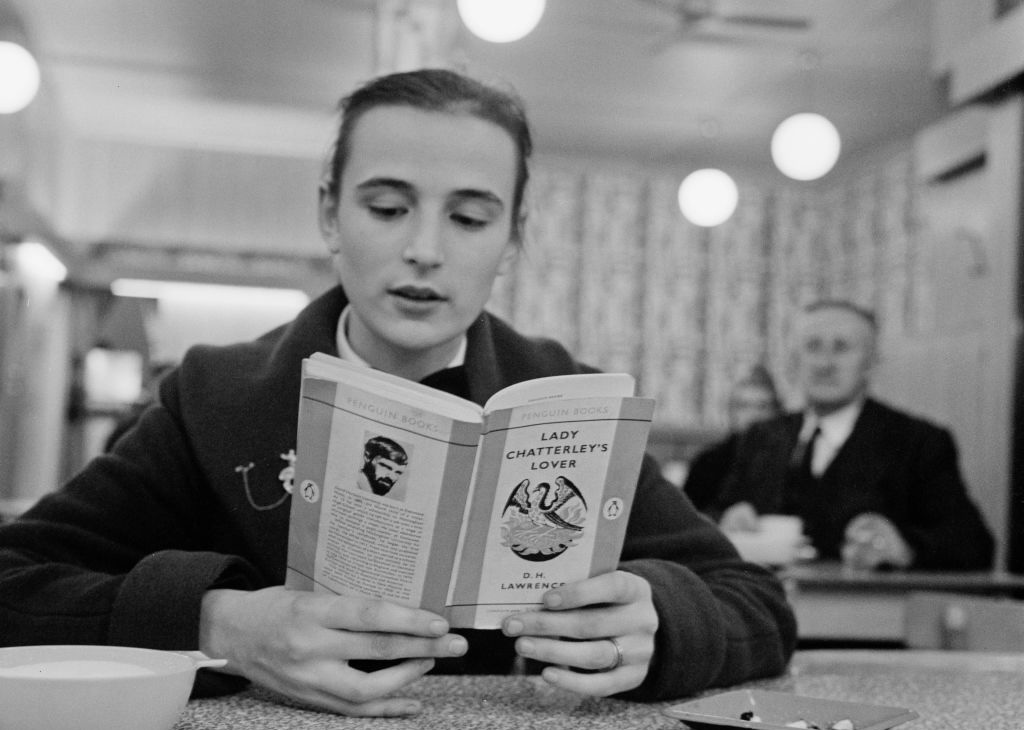
Until the 1940s, book retail was dominated by hardcovers — books held between cloth- or paper-covered boards, the pages secured by sewn spines. Penguin in the UK and Pocket Books here in the United States were the first to make successful use of an alternative book format that rivaled — and, for many decades, far outsold — the hardback. This cheaper-to-manufacture book had a soft cover and relied upon a glued (versus stitched) binding. The resulting tome was easier to carry and much easier to afford. The new format was as much commercial opportunism as it was any attempt to democratize reading or to improve the citizenry’s understanding of the world. If you make a dime on each purchase of one hundred thousand paperbacks, that’s more than making a buck each on 2,500 hardcovers, which was the average unit sale back then. Better yet, these books were sold all over middle America — in drugstores, grocery stores, and gas stations — not just in the little metropolitan oases.
I will even be a little spicy here and say most books I encounter in the wild secondhand are not worth printing in the age of ereaders and digital readers/audio ways to listen to books… which isn’t to say we don’t also need bad books and bad art and that tacky, accidentally funny relics of the past aren’t in their own way necessary… but I definitely don’t feel this universal comradarie with all printed books, some of them suck, some of them whisper violent ideologies into people’s hearts, some of them and this is by far the most common crime just simply wouldn’t be worth the resources invested to reprint when there are so many other ways to share words nowadays… which isn’t to say that what the books say isn’t worth being said or recorded, not at all but after you see your ten millionth Tom Clancy book you begin to lose your mind and start fantasizing about building a mansion using them as affordable bricks.
I LOVE a physical beat up paperback book, I love a beautiful copy of a cherished book, and I think even “mediocre” things are worthy of physical embodiment but I think we can love both physical and digital forms of reading at the same time and use both mediums to minimize the negatives of the other and to close out my TedX talk in summary: at the end of the day all I know for sure is that killing paperbacks is a stupid idea.