
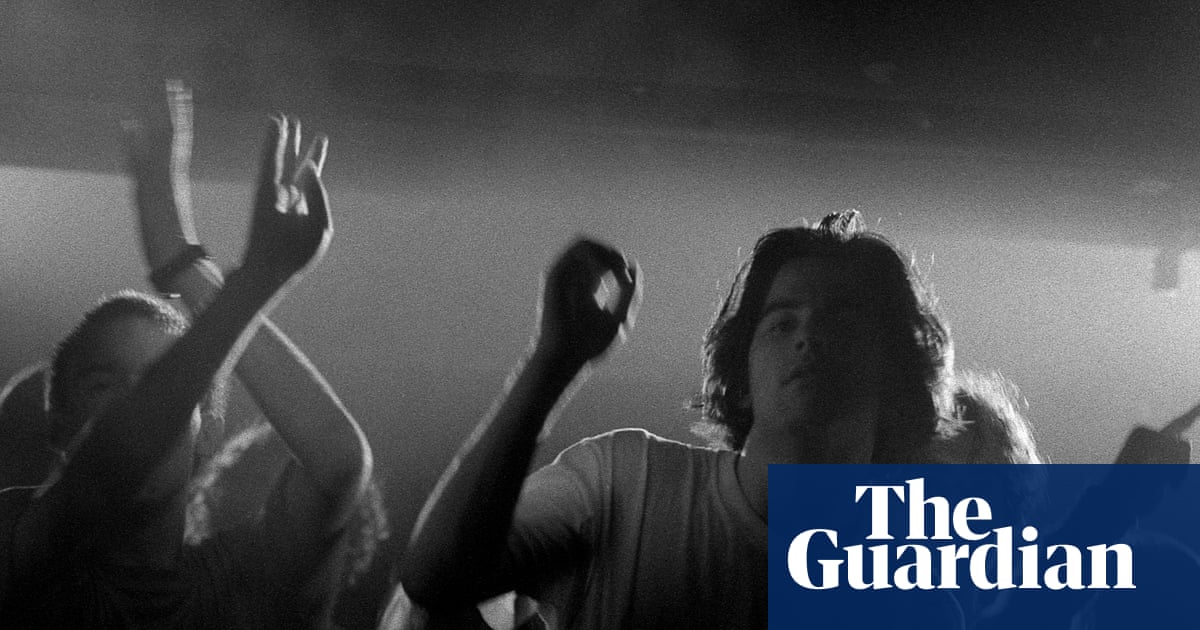
Towards the end of summer, a debate began raging in clubland, kick-started by an Instagram post from the esteemed DJ Jane Fitz. Ahead of the Houghton festival, where she is a regular fixture, she posted a request asking people to stop chatting so much during DJ sets.
“What I wrote was super respectful,” she tells me. “A bit of talking is obviously OK. But why would you stand completely still, where the sound is super loud, just to ask your mate about a new boyfriend or what they had for lunch? It’s called a dancefloor for a reason.” DJ Jane Fitz at the Rural festival, 2025. Jane Fitz at Rural in 2025. Photograph: Toshimura
Fitz’s plea exploded. It chimed with many, while others were up in arms, claiming that paying an entry fee allowed them to do whatever they wanted. “People were accusing me of being the fun police,” she says. “I’m not trying to stop your fun, mate. I’m trying to give you a better night out.”
“I think the dancefloor is dead,” Charli xcx sang on her tongue-in-cheek comeback single Rock Music this spring. Was she right? Many DJs and clubbers are worried it goes further than the yappers Fitz complained about, citing the rise of certain drugs – insular ketamine, chew-your-ear-off cocaine – and TikTok-boosted star DJs bringing in passive fans used to consuming dance music through a screen, who end up standing still filming the DJ and their visuals. Then there is the rising cost of clubbing, prohibiting younger, potentially bouncier dancers from attending raves.