

22·
2 days agoDon’t download and create accounts on random apps claiming privacy focused. Also your posts title is misleading. It’s not a privacy app, but mentioned as privacy-focused social media.
Absolutely, AI Slop.

A Minimalist Blogger, Website Developer and Privacy Enthusiast.
Proud to Be a FOSS User.
Settled on Fedora Workstation.
Heavy Reader.
Enjoy coding and learn by mistakes.
Extremely Introverted Individual Who Prefers Solitude.
Don’t download and create accounts on random apps claiming privacy focused. Also your posts title is misleading. It’s not a privacy app, but mentioned as privacy-focused social media.
Absolutely, AI Slop.
This is the most privacy-hardened phone ever created. No more tweaks needed. You are good to go.
Also, after Google locked down Android, most phones will behave exactly like this.

Actually, I am learning more than I expected. I thought website animations were implemented by JS, but just now I pushed a commit by adding animation to an image just using the CSS keyring property. And it was much simpler than I imagined. No rush, no complexity.
I use ghostwriter to write blogs in markdown. Then with the help of a converter i convert it into html format and modify it from there.
Why not directly write in HTML?
Because for me writing blogs in direct html feels so hard for several reasons,
But why I may switch?
I would consider to switch to directly writing blogs in HTML when i have enough knowledge about web development. The reasons are,
I recommend directly writing on HTML rather than Markdown to reduce the effort needed.
Thank you for the resources. It looks very helpful.
Do you mean, how i convert markdown to html? There are tools online for that.
Just search for “markdown to html convertor”.
Yes. For now, it would be too hard for me. But i will do it once i learn more.
As you suggested, i removed the images on sidebar, then updated its container size, margin and padding values. Posts overview page now shows 6 posts at a time. Thumbnails look smaller.
Because i removed the global margin value for <p>, posts and about section requires modification with specific classes. I will do it when i have more free time.
Thanks for the suggestions.
deleted by creator
Ok. I will try to make those changes.
In display:grid, using auto-fit may work properly if i reduced the padding and border spaces.
Can you please tell me, did you visit the website via a mobile or desktop browser?
I used 4k because in every screen, thumbnails look clear. I too noticed the website loads too slowly. I will fix it and verify all links working correct. Thank you.
(Update: Fixed)

Sideloading MV2 Extensions, doesn’t seems to work. If it’s a MV2 extension, then no need to sideload, can install directly from web store.
Vivaldi supports custom filterlists, but way less effective than even MV2 extensions. No cosmetic, network filtering like uBlock Origin does. Am saying so because vivaldi ad-blocker is not a brand new feature. It’s there for a longer time, but without any improvemrnts on it’s blocking rate or privacy things also.
Another thing is browser fingerprint, there is not a single way to harden vivaldi at all. Every data like operating system, timezone, canvas, audio, etc. can be easily fingerprinted. I used NoScript to atleast block third-party scripts but after blocking/unblocking a site in noscript webpage didn’t auto reload like in other browsers. We have to manually does it.
The web pannel, speed dials and customizations are standing out features, but those alone can’t be a reason to choose a browser in modern web. Vivaldi lags very behind in privacy and security wise.
I’m planning to write a post on this!
Wi-Fi calling still gives your carrier your IP address and location so they can route the call, so it’s not totally private.
Getting around that usually means running a pretty stripped-down setup (no SIM, full VPN, etc.), which gets pretty inconvenient.
First of all, avoid giving your mobile number on instagram. It is a very unique identity to identify you. Firefox private browsing mode alone won’t help you but browser/profile isolation can be a better solution.
keep in mind that your privacy is not only in your control but other people who saved your number on their phone with real name, other services you used before or the isp iself can sell this data to data brokers. If you used whatsapp with this same number, then that’s too a reason behind this.
Furthermore, device fingerprinting, browser fingerprinting, network fingerprinting, etc. pose significant drawbacks in privacy on platforms like instagram.
means?
You’re welcome.
GrapheneOS can prevent IMSI Catchers, App-Level Location Tracking, Wi-Fi MAC Fingerprinting. but you are still vulnerable to other types of tracking methods.
No. The wifi you are connected to, still leak your location data.
Yes, GPS itself is not a tracking mechanism. But the apps and services you use in your phone is actively using GPS to track your location data. That’s what i mean.




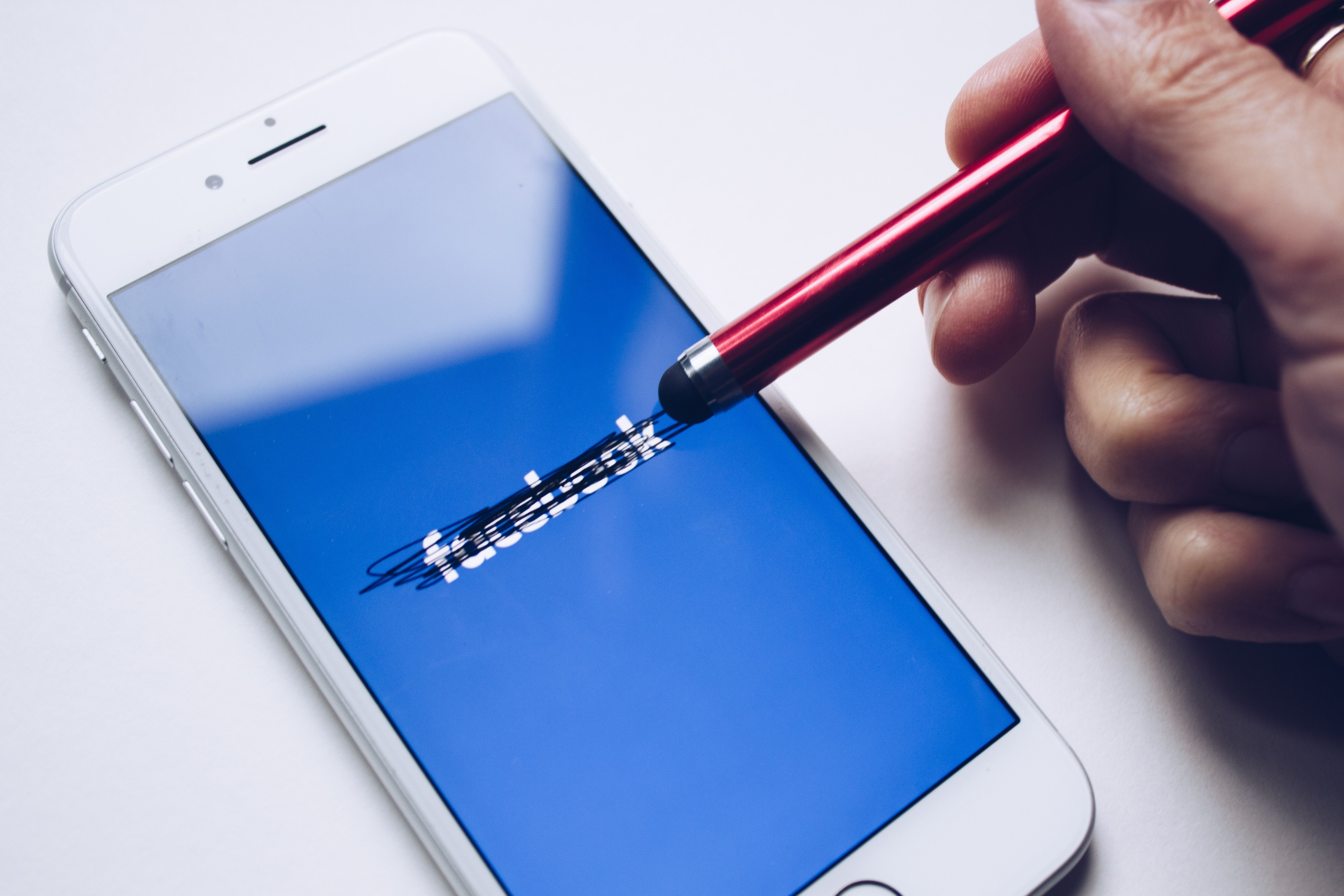



How can you trust their advertising claims. Research about “Don’t Be Evil” claim and what happened to it.
Even from the outside look it’s clear that this app is completely build using AI and all accounts inside it can also be AI bots.
Actually how many social media platforms people need nowadays :(